The Ultimate 14-Day Argentina Itinerary: Patagonia, Mendoza and Buenos Aires
Fourteen days in Argentina can take you from the elegant streets of Buenos Aires to the glaciers of Patagonia and the vineyards of Mendoza. Few countries offer such an extraordinary variety of landscapes, cultures, and experiences within a single journey.
You might spend one morning discovering historic neighborhoods, a few days later find yourself walking across a glacier, and eventually enjoy a glass of Malbec overlooking the Andes. It is this diversity that makes Argentina such a fascinating destination.
Planning a luxury trip to Argentina?
Tell us what you have in mind, and we'll design a personalized itinerary for you.
But planning the perfect two-week journey involves more than choosing beautiful places. Argentina is a vast country, distances are considerable, and the order in which you visit each destination can significantly influence your experience.
At Tailored Argentina, we believe a well-designed luxury tour Argentina experience should balance adventure, culture, comfort, and opportunities to slow down. With the right planning, 14 days can offer a remarkably complete introduction to the country.
Here are four of our favorite ways to explore Buenos Aires, Patagonia, and Mendoza, along with the practical considerations that make each itinerary work.
1. Buenos Aires: Where Your Argentina Journey Begins
For most international travelers, Buenos Aires is the natural starting point. Ezeiza International Airport welcomes flights from around the world, making Argentina’s capital the country’s main international gateway.
We generally recommend spending four nights here, although three can work beautifully if you prefer additional time in Patagonia or Mendoza. Another possibility is dividing your stay between the beginning and end of the journey.
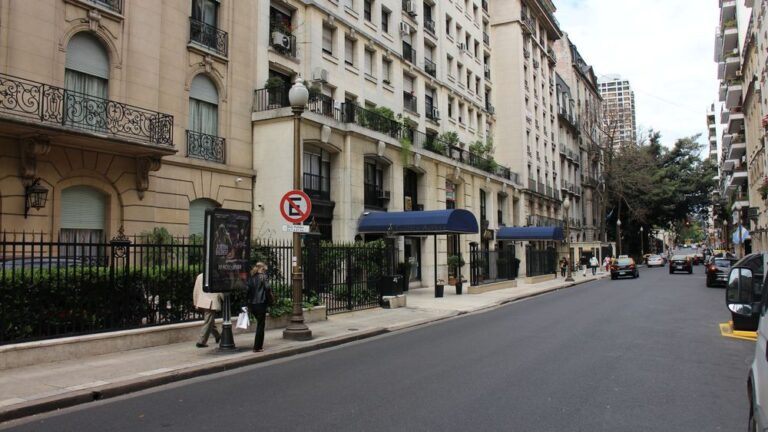
Buenos Aires deserves more than a quick introduction. Its neighborhoods each have a distinct personality, from the elegant architecture of Recoleta to the creative streets of Palermo and the historic charm of San Telmo.
The city’s remarkable culinary scene is another reason to stay a little longer. Traditional Argentine steakhouses, neighborhood restaurants, and contemporary fine dining establishments offer countless opportunities to discover the country’s gastronomic identity.
Beyond the usual highlights, you might enjoy a private tango lesson, an intimate tango performance, or a boat excursion through the waterways of the Tigre Delta. Visiting the surrounding residential neighborhoods can also reveal another side of Buenos Aires.
We particularly enjoy designing experiences that allow travelers to understand the city’s contrasts, history, and everyday life, rather than simply moving between its most recognizable landmarks.
Starting your journey here gives you time to settle into Argentina’s rhythm before continuing south. However, depending on domestic flight schedules, it can sometimes make more sense to explore Patagonia first and return to Buenos Aires later.
2. Patagonia: Choosing the Right Experiences for Your Journey
Patagonia is often the highlight of a trip to Argentina, but it is important to understand that this enormous region offers several very different experiences.
Southern Patagonia is famous for its glaciers, dramatic mountains, remote estancias, and extraordinary trekking opportunities. El Calafate, El Chaltén, and Ushuaia are among its most fascinating destinations.
Farther north, Argentina’s Lake District offers a completely different atmosphere. Around Bariloche, Villa La Angostura, and San Martín de los Andes, the landscape changes to deep-blue lakes, ancient forests, and picturesque mountain towns.
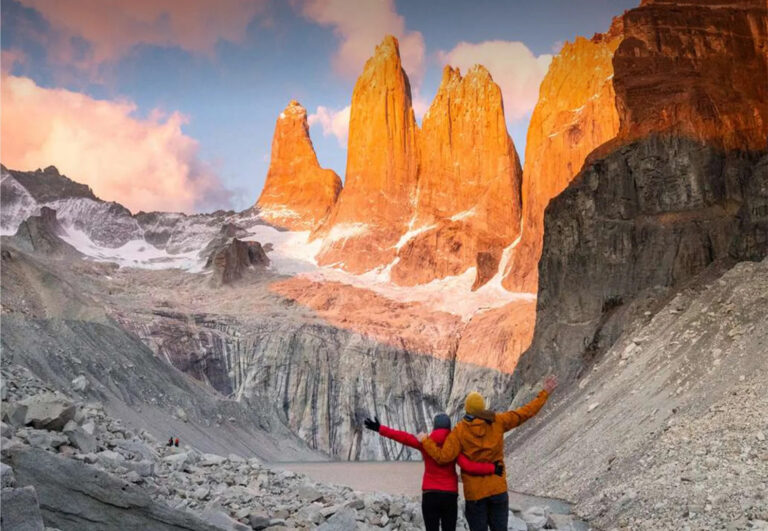
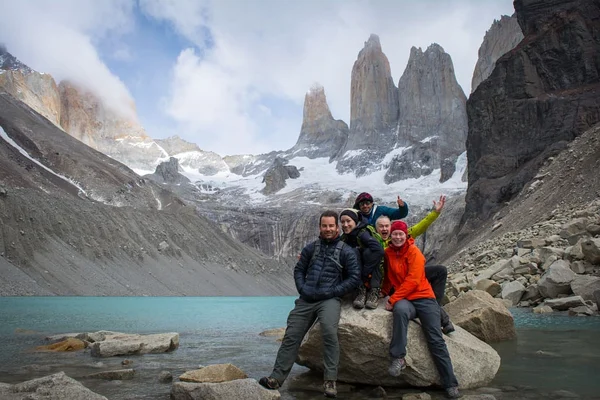
Across the Chilean border, Torres del Paine National Park introduces another remarkable side of Patagonia, with granite peaks, turquoise lakes, glaciers, and vast valleys where wildlife can often be observed.
The challenge is deciding which destinations to combine. While you could easily dedicate several weeks to Patagonia alone, a 14-day Argentina itinerary generally works best when focusing on two complementary areas.
For example, El Calafate and Ushuaia make an excellent combination for travelers interested in glaciers, wildlife, and the End of the World. El Chaltén is ideal for trekking enthusiasts, while Bariloche is particularly appealing for its lakes, outdoor activities, and beautiful accommodations.
There is no universally perfect choice. The right combination depends on your interests, preferred travel pace, the season, and how much time you want to dedicate to each experience.
3. Option A: Buenos Aires, El Calafate, Ushuaia and Mendoza
Suggested itinerary: 14 days / 13 nights
- Buenos Aires: 4 nights
- El Calafate: 3 nights
- Ushuaia: 3 nights
- Mendoza: 3 nights
This is one of our favorite combinations for first-time visitors who want to experience Argentina’s cultural capital alongside two of Southern Patagonia’s most remarkable destinations.
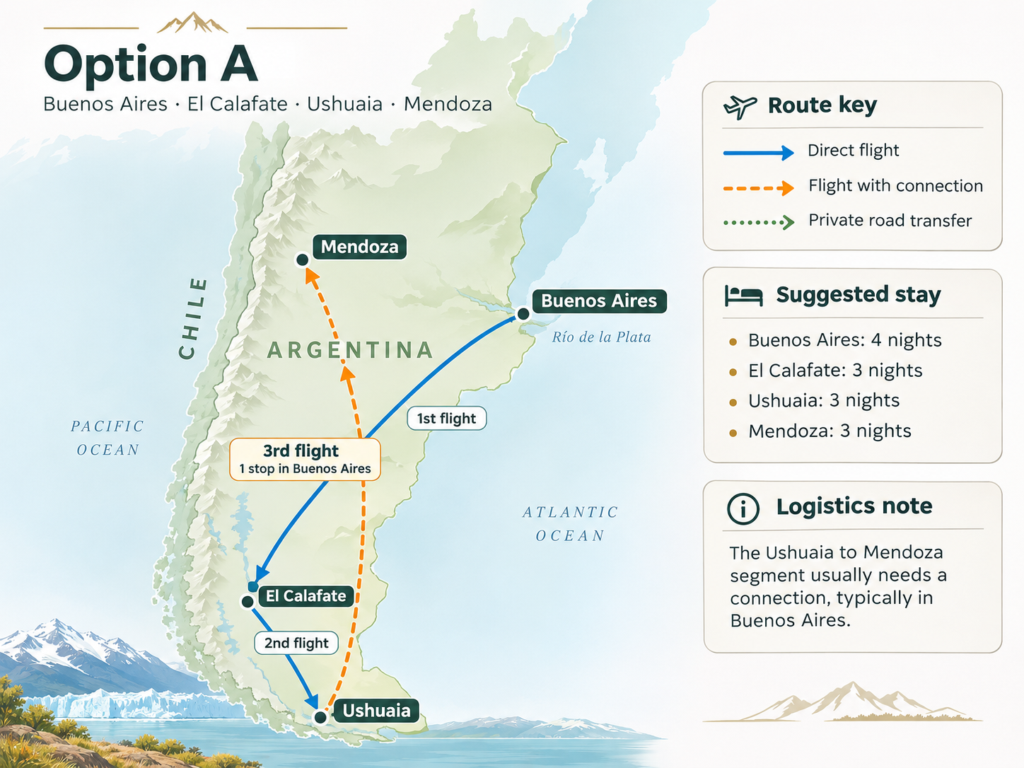
After exploring Buenos Aires, continue to El Calafate, the gateway to Los Glaciares National Park and the magnificent Perito Moreno Glacier.
The glacier is extraordinary when viewed from the panoramic walkways, but there are many other ways to experience this landscape. Depending on your interests, you can walk on glacier ice, navigate among enormous icebergs, or explore the region’s glacial waters by kayak.
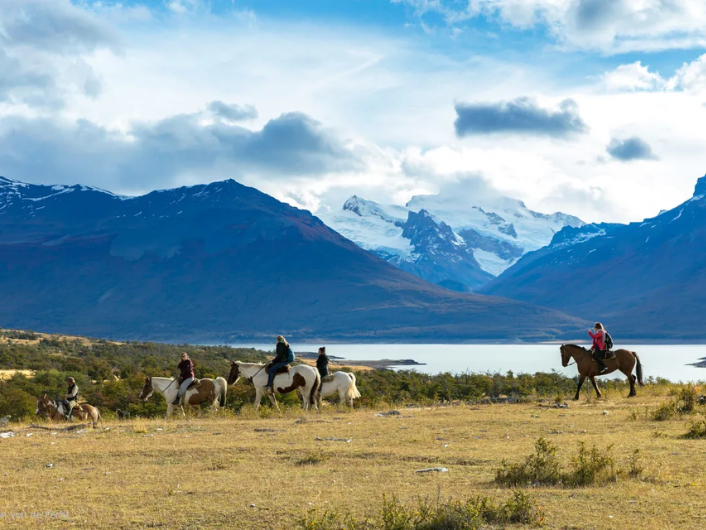
Boat excursions also provide opportunities to discover other spectacular glaciers, including Upsala and Spegazzini. Beyond the ice, the surrounding Patagonian steppe is home to historic estancias where travelers can enjoy horseback riding and learn about rural traditions.
From El Calafate, a flight brings you farther south to Ushuaia, a destination that feels wonderfully different from anywhere else in Argentina.
Surrounded by mountains and the Beagle Channel, Ushuaia offers an extraordinary combination of nature, maritime history, and adventure. It is also one of our personal favorite cities in the country.
You can explore Tierra del Fuego National Park, take the historic End of the World Train, visit the former prison museum, or navigate the Beagle Channel while observing the dramatic coastline and marine wildlife.
For a different experience, consider visiting Puerto Almanza, known for its fishing traditions and fresh seafood, or exploring the remote landscapes surrounding Estancia Harberton.
We recommend at least three nights in both El Calafate and Ushuaia to appreciate these destinations without rushing.
A logistical consideration: Ushuaia and Mendoza are not generally connected by nonstop flights, meaning a connection through Buenos Aires is usually necessary.
For travelers who prefer avoiding domestic flight connections, we may recommend reversing the itinerary: visiting Patagonia immediately after arriving in Argentina, spending time in Buenos Aires afterward, and finishing in Mendoza.
The order changes, but the experiences remain just as memorable.
4. Option B: Buenos Aires, El Calafate, El Chaltén and Mendoza
Suggested itinerary: 14 days / 13 nights
- Buenos Aires: 4 nights
- El Calafate: 3 nights
- El Chaltén: 3 nights
- Mendoza: 3 nights
This itinerary is particularly appealing for travelers who want to combine Patagonia’s magnificent glaciers with its most celebrated mountain landscapes.
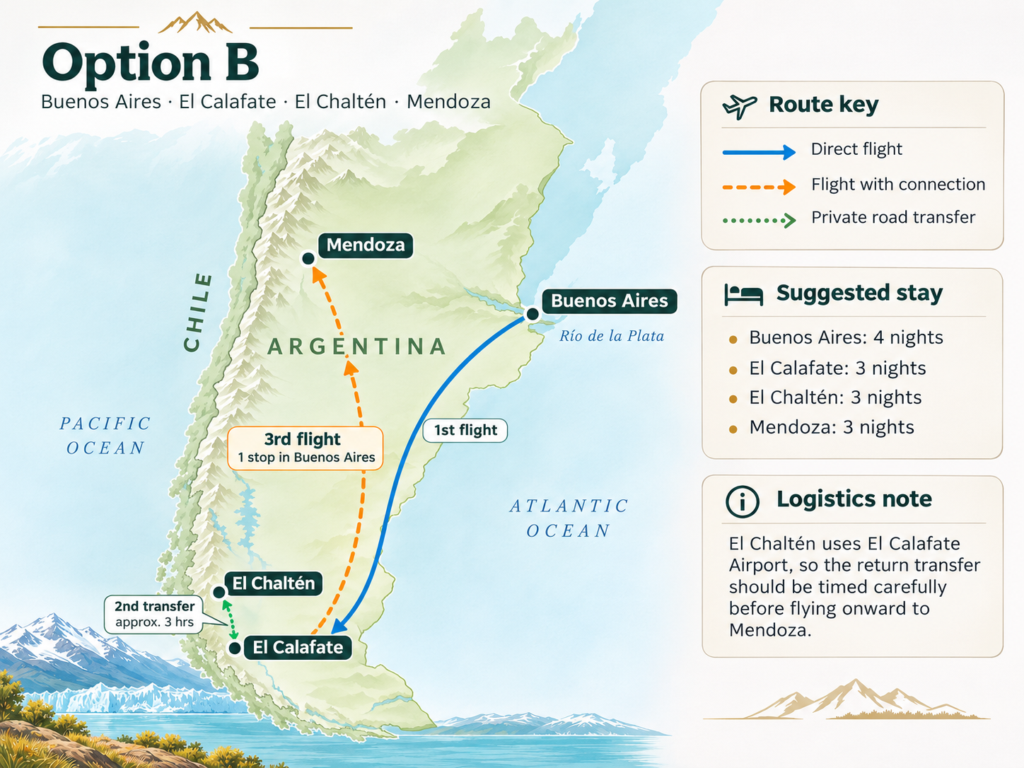
After four nights discovering Buenos Aires, fly to El Calafate and spend the following days exploring Los Glaciares National Park.
Three nights provide enough time to visit Perito Moreno Glacier, enjoy a navigation among the icebergs, and potentially discover one of the surrounding estancias. It is a wonderful introduction to Southern Patagonia before continuing into the mountains.
From El Calafate, travel approximately three hours by road to El Chaltén, a small village surrounded by some of Argentina’s most spectacular scenery.
Known as the country’s trekking capital, El Chaltén attracts visitors from around the world who come to explore the trails beneath Mount Fitz Roy and Cerro Torre.
Depending on your fitness level and interests, you can choose between shorter scenic walks and demanding full-day hikes. Laguna de los Tres and Laguna Torre are among the most memorable experiences in the region.
Spending three nights here provides an excellent introduction, particularly for travelers who want to combine hiking with the opportunity to enjoy the village’s peaceful atmosphere.
For travelers whose main priority is trekking, we often recommend extending the stay in El Chaltén to four nights, allowing greater flexibility to choose the best weather conditions for longer and more demanding hikes.
After El Chaltén, return to El Calafate Airport for your onward journey toward Mendoza, generally involving a connecting flight.
Why choose this itinerary? It is an excellent balance for travelers who want to experience both the glaciers and mountains of Southern Patagonia while dedicating a little more time to Buenos Aires.
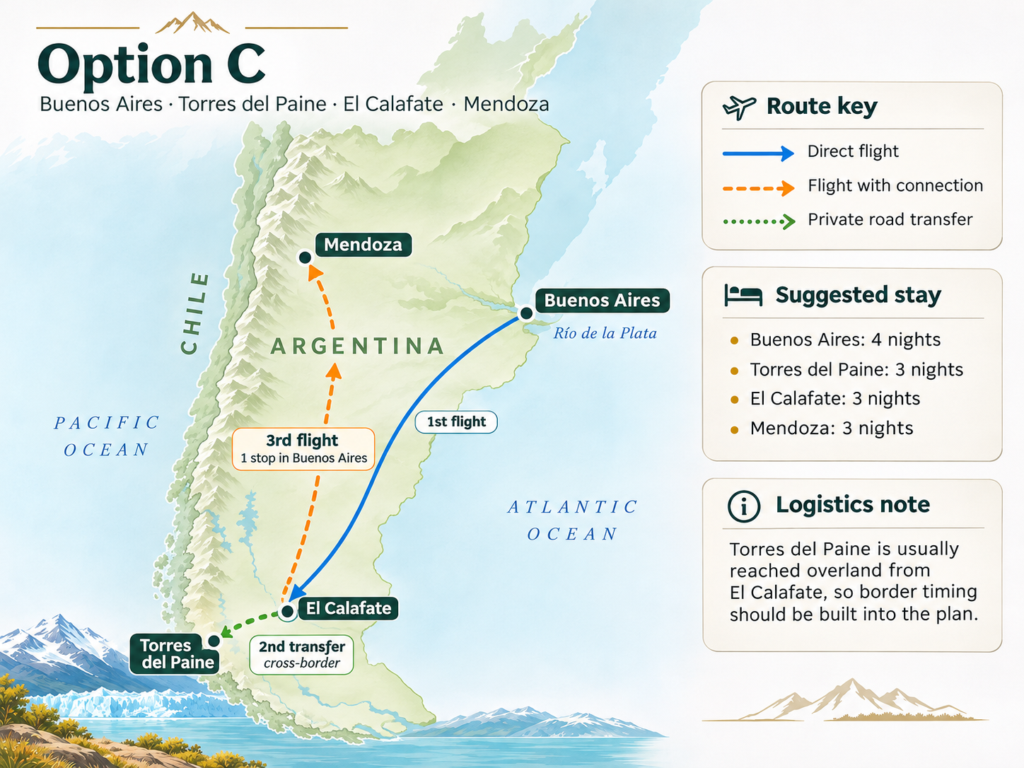
5. Option C: Buenos Aires, Torres del Paine, El Calafate and Mendoza
Suggested itinerary: 14 days / 13 nights
- Buenos Aires: 4 nights
- Torres del Paine: 3 nights
- El Calafate: 3 nights
- Mendoza: 3 nights
For travelers interested in discovering both Argentine and Chilean Patagonia, this combination offers an extraordinary variety of landscapes within a relatively compact itinerary.
Explore Your Private Argentina Journey
Tell us what you have in mind, and we'll design a personalized itinerary for you.
Begin with four nights in Buenos Aires before traveling south toward Torres del Paine National Park, one of Chile’s most celebrated natural destinations.
The park is famous for its towering granite peaks, turquoise lakes, glaciers, and open valleys. Depending on your interests, you can enjoy demanding mountain hikes, scenic excursions, wildlife observation, or simply appreciate the landscapes from a beautiful lodge.
Three nights allow time to experience some of the park’s highlights, although four would be preferable for travelers planning longer treks or seeking additional flexibility with the weather.
From Torres del Paine, continue by road across the Argentina-Chile border toward El Calafate. This journey avoids an additional flight between the two Patagonian destinations.
However, the transfer should not be underestimated. Depending on your accommodation, route, and border formalities, it can take approximately five to seven hours or longer.
Once in El Calafate, spend three nights discovering Perito Moreno Glacier and the surrounding region. The contrast between Torres del Paine’s mountain landscapes and the enormous glaciers of Argentina makes this combination particularly rewarding.
The journey then continues toward Mendoza, generally requiring a flight connection.
Why choose this itinerary? It is ideal for travelers who want to combine two countries, extraordinary scenery, and outdoor experiences without adding another flight within Southern Patagonia.
It is also a beautiful example of how carefully planned road transfers can become part of the journey rather than simply a way of reaching the next destination.
Looking to focus entirely on the deep south? If you prefer to skip the city and wine regions to immerse yourself completely in glaciers and peaks, explore our dedicated 14-day Patagonia luxury itinerary spanning Argentina and Chile.
7. Option D: Buenos Aires, Southern Patagonia, Bariloche and Mendoza
Suggested itinerary: 14 days / 13 nights
- Buenos Aires: 4 nights
- Southern Patagonia: 3 nights
- Bariloche: 3 nights
- Mendoza: 3 nights
This is one of our favorite alternatives for travelers who want to experience two completely different sides of Patagonia while keeping the itinerary as logistically efficient as possible.
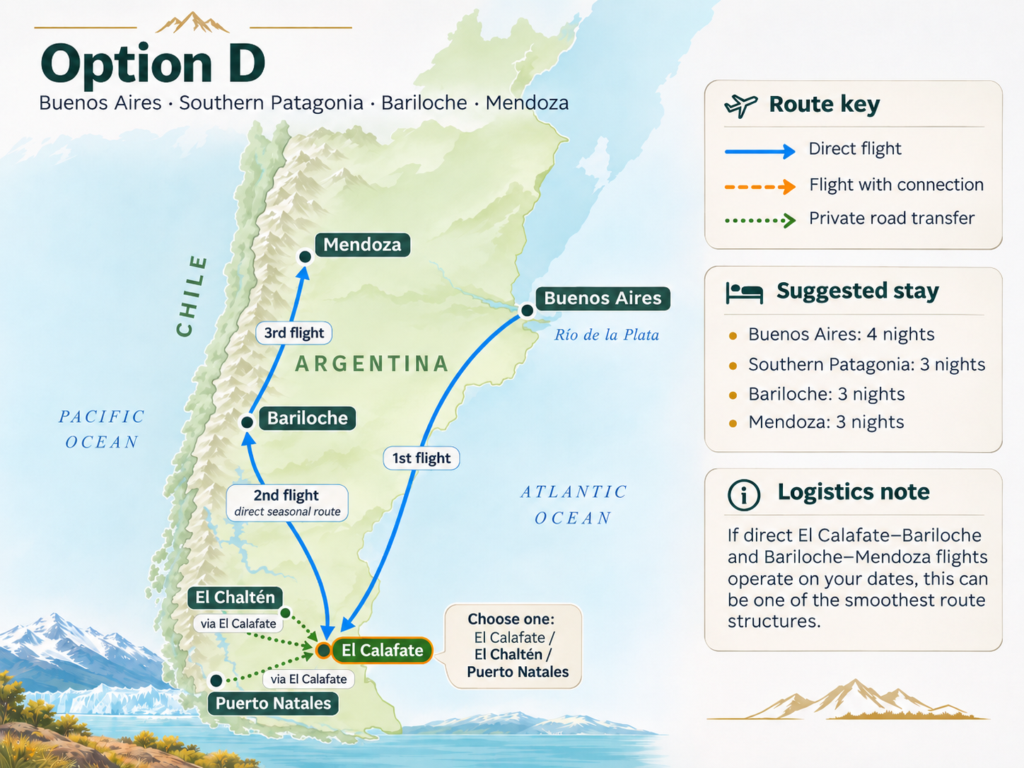
The Southern Patagonia portion can be adapted according to your interests. You might spend three nights in El Calafate discovering glaciers, stay in El Chaltén surrounded by mountains, or explore Chilean Patagonia from Puerto Natales.
Each destination offers its own appeal. El Calafate is ideal for glacier experiences, El Chaltén for mountain trekking, and Puerto Natales for travelers interested in Torres del Paine and its extraordinary landscapes.
After Southern Patagonia, continue toward Bariloche, in Argentina’s beautiful Lake District.
This is where the scenery changes dramatically. Instead of immense glaciers and windswept steppes, you find crystal-clear lakes, lush forests, mountain villages, and a softer, greener landscape.
Bariloche offers an impressive variety of experiences, from private boat excursions on Nahuel Huapi Lake to scenic hikes, kayaking, and visits to secluded beaches.
You can also discover nearby Villa La Angostura, travel through the picturesque Lake District, or simply spend an afternoon enjoying the views from a beautiful lakeside property.
Three nights offer a lovely introduction, although travelers who prefer exploring the wider Lake District could easily stay longer.
The logistical advantage of this itinerary is particularly interesting.
El Calafate and Bariloche have nonstop flights on selected dates, while Bariloche also offers direct services to Mendoza. When these flights align, it becomes possible to travel between these destinations without domestic connections.
If you choose El Chaltén or Puerto Natales, you would first need to return by road to El Calafate Airport. Puerto Natales also involves an international border crossing, so additional travel time must be considered.
This combination is ideal for travelers seeking geographical diversity, beautiful accommodations, outdoor experiences, and a relatively smooth journey between Argentina’s most spectacular regions.
8. Mendoza: Why We Love Saving It for the End
Regardless of which Patagonia itinerary you choose, there is one recommendation we particularly enjoy making: whenever possible, finish your journey in Mendoza.
After experiencing Buenos Aires and Patagonia’s outdoor adventures, Mendoza offers a beautiful change of pace. It is a place where the days naturally become a little slower, with more time to enjoy excellent food, wine, and the scenery.
Imagine waking up surrounded by vineyards, enjoying breakfast with views of the Andes, visiting a family-owned winery, and spending the afternoon relaxing by the pool or enjoying a spa treatment.
Mendoza is internationally celebrated for its wines, particularly Malbec, but its different wine regions each have their own character.
Luján de Cuyo is home to historic wineries and elegant estates, while Chacras de Coria offers a charming atmosphere with boutique accommodations and excellent restaurants. The Uco Valley is especially known for its impressive mountain views, contemporary wineries, and beautiful wine-focused properties.
Maipú also deserves attention, with its longstanding winemaking traditions and historic estates that reveal another side of the region’s identity.
Beyond wine, travelers can explore the Andes, go horseback riding, visit mountain estancias, or enjoy memorable meals prepared with fresh local ingredients.
We generally recommend spending at least three nights in Mendoza, although four would be even better if your schedule allows. Some travelers may prefer dedicating an entire afternoon to their hotel, which is often an experience in itself.
For us, Mendoza is more than another destination on the itinerary. It is the reward at the end of an adventurous journey, a chance to slow down, reflect on everything you have experienced, and enjoy Argentina at a gentler pace.
For the ultimate wine enthusiast: If your primary travel motivation is world-class gastronomy and viticulture, crossing the Andes mountains offers an unforgettable continuation of your trip. Discover how to connect these two iconic terroirs in our exclusive Mendoza and Santiago wine trip.
9. Why Logistics Matter When Planning a Luxury Tour of Argentina
Argentina’s extraordinary diversity is also what makes itinerary planning challenging. Distances between destinations are considerable, and not every city has direct flights to the next.
A route that looks straightforward on a map may involve a connection, an airport change, a border crossing, or an entire afternoon spent traveling.
For example, international travelers arriving at Ezeiza may need to transfer to Aeroparque, Buenos Aires’ domestic airport, before continuing toward Patagonia.
Similarly, there are generally no nonstop flights connecting El Calafate or Ushuaia directly with Mendoza. This means that certain itineraries require a connection, often through Buenos Aires.
However, changing the order of the destinations can sometimes improve the experience considerably.
For travelers who prefer avoiding domestic connections, one possibility is to visit Patagonia immediately upon arriving in Argentina, return to Buenos Aires afterward, and then fly nonstop to Mendoza.
Another particularly interesting combination is Southern Patagonia, Bariloche, and Mendoza, provided the seasonal nonstop flight schedules align with the travel dates.
The same attention applies to road transfers, weather conditions, and excursion planning. In Patagonia, for example, allowing flexibility for longer hikes can be just as important as choosing the right hotel.
There is also the question of how many nights to spend in each destination. While the itineraries above are designed around 13 nights, the distribution can always be adjusted to suit your interests and preferred pace.
At Tailored Argentina, we believe that thoughtful logistics are an essential part of a truly memorable journey. The objective is not simply to visit as many destinations as possible, but to ensure you have enough time to genuinely enjoy each one.
Because ultimately, the best Argentina itinerary is not necessarily the one with the most stops. It is the one that feels right from beginning to end.
Frequently Asked Questions About a 14-Day Argentina Itinerary
1. Is 14 days enough to visit Buenos Aires, Patagonia and Mendoza?
Absolutely. Fourteen days is an excellent amount of time to combine Buenos Aires, two destinations in Patagonia, and Mendoza. The key is selecting places that complement each other geographically and allowing enough time in each destination. A carefully planned itinerary can offer extraordinary variety without feeling rushed.
2. What is the best time of year for a 14-day Argentina itinerary?
For journeys focused on Southern Patagonia, October through April generally offers the most favorable conditions for outdoor exploration. Summer brings longer daylight hours, while spring and autumn can offer beautiful scenery and a quieter atmosphere. The ideal travel dates ultimately depend on the specific destinations and experiences you would like to include.
3. Should I choose El Calafate, El Chaltén, Ushuaia or Torres del Paine?
Each offers something different. El Calafate is ideal for glaciers, El Chaltén for trekking, Ushuaia for its remarkable landscapes and maritime experiences, and Torres del Paine for dramatic mountain scenery and outdoor adventures. Choosing two destinations that reflect your interests is often the best approach for a 14-day itinerary.
4. Can I avoid connecting flights during my Argentina trip?
Yes, depending on your itinerary and travel dates. Combining El Calafate, Bariloche, and Mendoza can be particularly convenient when nonstop flights are operating. Another option is to organize Buenos Aires between Patagonia and Mendoza. Reviewing flight schedules before finalizing the itinerary can make a significant difference.
5. Why should Mendoza be the last destination on an Argentina itinerary?
Mendoza creates a wonderful contrast with the more active experiences in Patagonia. Its wineries, exceptional gastronomy, beautiful accommodations, spas, and mountain landscapes offer an ideal opportunity to relax before heading home. For many travelers, it becomes the perfect conclusion to an unforgettable journey.
Let's Design Your Argentina Vacation
Tell us what you have in mind, and we'll design a personalized itinerary for you.