There are many Patagonia travel itineraries online. Some are beautiful. Some are useful. Some are completely unrealistic once you start looking at flight times, weather windows, road distances, hotel availability, and the simple fact that Patagonia is not one place. It is a vast, dramatic, sometimes moody region where lakes, glaciers, mountains, steppe, forests, estancias, and remote lodges all live under the same name.
And that is exactly where trip planning gets interesting.
Patagonia is one of the most spectacular places in South America, but it is also a region with its own rhythm, its own distances, and its own little rules. You cannot plan it like you would plan Tuscany, Provence, or even Buenos Aires. Here, logistics matter. Weather matters. The number of nights in each place matters. The kind of traveler matters even more.
A couple who dreams of long hikes and early starts should not follow the same itinerary as a honeymoon couple looking for wine by the lake, private glacier views, and a soft place to land at the end of the day. And a family traveling with three children needs a completely different pace from a group of friends who want to chase Fitz Roy, Cerro Torre, and glacier trekking in the same journey.
This is why, when travelers tell us they want to visit Patagonia, we usually begin with a conversation. Not because Patagonia needs to be complicated, but because it needs to be understood.
1. Patagonia Is Not One Destination
The first thing to understand is that Patagonia is enormous.
When people say “I want to go to Patagonia,” they may be imagining the granite peaks of El Chaltén, the blue ice of Perito Moreno Glacier, the lakes and forests of Bariloche, the end-of-the-world feeling of Ushuaia, the wildlife of Peninsula Valdés, or the cinematic landscapes of Torres del Paine in Chile.
All of these places are Patagonia. But they are not next to each other.
This is the detail many first-time travelers underestimate. On a map, it may look tempting to connect everything. El Calafate, El Chaltén, Ushuaia, Bariloche, Torres del Paine, Peninsula Valdés. Why not? They are all iconic.
But in real life, doing all of them in 10 days would make the trip feel more like a regional airport tasting menu than a luxury journey.
A beautiful Patagonia itinerary is not about collecting as many pins as possible. It is about choosing the right combination of places for the kind of experience you actually want to have.
Do you want more mountains or more glaciers? More hiking or more contemplation? More lakes or more wildlife? More remote lodges or more town access? Do you want to wake up already surrounded by nature, or do you prefer to return from a long excursion and walk to a good restaurant in town?
These questions shape everything.
2. The First Question Is Not “Where Should I Go?”
Most travelers begin with destinations.
We prefer to begin with travel style.
Before deciding whether someone should go to El Chaltén, Bariloche, Ushuaia, El Calafate, or Torres del Paine, we want to understand who is traveling.
Do you enjoy hiking? And if yes, what kind of hiking? Soft walks with views? Full-day treks? Steep mountain trails? Are you comfortable with wind, rain, mud, and changing weather? Or do you prefer scenic drives, boat rides, estancias, wine, and long lunches?
Do you want Patagonia to feel adventurous, romantic, cultural, active, wild, or restful?
This matters because Patagonia can be many trips.
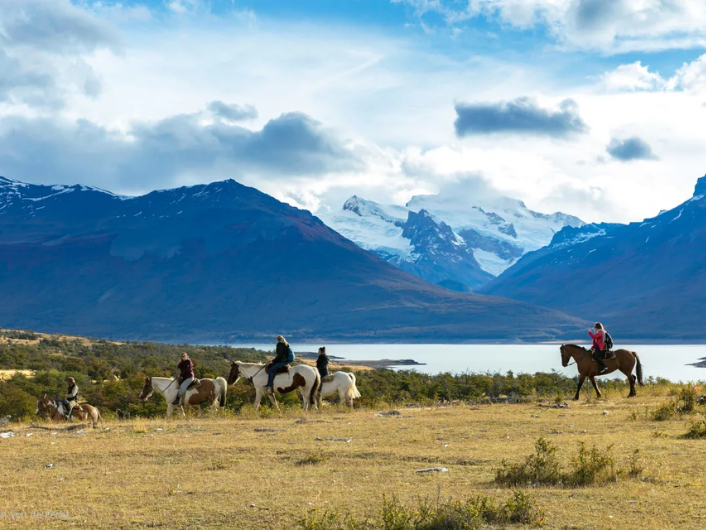
For one traveler, the dream is standing below Mount Fitz Roy after a demanding hike to Laguna de los Tres. For another, it is sailing among icebergs with a glass of wine in hand. For another, it is horseback riding across an estancia, watching the light change over the steppe. For a family, it may be seeing penguins, riding the End of the World Train, visiting a chocolate workshop, and finishing a glacier walk with hot chocolate.
None of these versions is more “Patagonian” than the other. The key is knowing which one belongs to you.
3. Why 10 Days Can Be Perfect, But Only If You Choose Well
Ten days in Patagonia can be wonderful. It gives you enough time to experience more than one landscape, avoid rushing every morning, and include a mix of iconic sights and more personal moments.
But it also has limits.
A common mistake is trying to fit too many destinations into those 10 days. For example, El Calafate, El Chaltén, Ushuaia, Bariloche, Torres del Paine, and Peninsula Valdés are all worth visiting, but not together in a 10-day trip.
The result would be too many transfers, too many domestic flights, too many hotel changes, and not enough actual Patagonia.
A better approach is to build around two or three regions. Sometimes four can work, but only with careful flight planning and a clear reason for each stop.
For hikers, El Chaltén plus El Calafate plus Ushuaia can make sense. For a honeymoon, Bariloche plus Torres del Paine or Puerto Natales plus El Calafate can feel more scenic and romantic. For families, Ushuaia, El Calafate, and Bariloche can offer a wonderful variety without making every day too physically demanding.
The best itinerary is not the one with the longest list. It is the one where each day earns its place.
4. The Logistics Nobody Tells You About
Patagonia rewards good planning.
Flights in Argentina often connect through Buenos Aires. Some routes operate only on certain days or at certain times. Distances that look manageable on a map can mean several hours on the road. Weather can affect activities, especially hiking, navigation days, and mountain views.
There is also an important difference between having 10 full days in Patagonia and having 10 days total from the moment your international flight lands in Buenos Aires until the moment it leaves.
This is a huge distinction.
If your international flight arrives in Buenos Aires in the morning, you may still need to connect to a domestic airport, check in again, fly south, arrive at your destination, and transfer to your hotel. That first day is often more logistical than experiential.
The same applies to the end of the trip. Many travelers prefer to return to Buenos Aires one night before their international departure. We usually recommend this when the international flight is important and the itinerary includes remote regions. It creates a safety cushion and avoids unnecessary stress.
So, a “10-day Patagonia trip” can mean very different things.
It can mean 10 full days inside Patagonia. Or it can mean 10 calendar days in Argentina, with the first and last day partially absorbed by flights.
That difference changes the itinerary completely.
5. Seasonality: When Patagonia Feels at Its Best
Patagonia changes deeply throughout the year.
The most popular travel season is generally from October to March, when days are longer, trails are more accessible, and many lodges, excursions, and navigation experiences operate at full strength.
November and December bring long days, fresh energy, and spring turning into summer. January and February are high summer, with more travelers and often higher demand. March can be one of the most beautiful months, with softer light, autumn tones starting in some regions, and a slightly calmer feeling in certain places.
But there is no single “best” month for everyone.
For hiking in El Chaltén, you want to think about trail conditions and weather flexibility. For glacier experiences in El Calafate, the season is generous, but the best version of the trip still depends on availability and the style of excursions. For Bariloche and the Lake District, summer is wonderful for sailing, scenic drives, kayaking, and forest walks. For wildlife-focused travel, timing can be very specific depending on the species and location.
The most important thing is not only choosing the season. It is designing the itinerary with enough flexibility to work with the season.
In Patagonia, the weather does not read your itinerary. So the itinerary has to be smart enough to respond.
6. Hotels Shape the Trip More Than People Think
In Patagonia, choosing the right hotel is not just about comfort. It changes the mood of the entire journey.
Some travelers love large, polished hotels with full services, spa areas, restaurants, and a sense of structure. Others prefer smaller boutique properties where the experience feels more personal. Some want to be outside town, surrounded by silence, mountains, lakes, or steppe. Others want to stay close to the center, especially after long excursion days, so they can walk out for dinner, shop a little, or enjoy the small-town atmosphere.
In El Chaltén, location can be especially important for hikers because trail access and daily rhythm matter. In El Calafate, travelers might choose between staying in town for convenience, near the lake for views, or in a more remote property for a deeper Patagonia feeling. Around Bariloche, the difference between staying downtown, on the lake, in a forested area, or near a luxury lodge can completely change the experience.
There is no universal best hotel.
There is only the best hotel for that traveler, that route, that season, and that pace.
For some people, the perfect Patagonia hotel is a remote lodge where you can watch the wind move across the landscape. For others, it is a boutique place near restaurants and shops. For a honeymoon, it may be a dome or lodge with privacy and a romantic dinner arranged on arrival. For families, it may be the place that makes transfers easier and avoids too much downtime in the car.
This is why hotels should not be chosen at the end of the planning process. They are part of the itinerary’s architecture.
7. Activities: Patagonia Is Not Only Trekking
Patagonia has some of the best hiking in the world, but reducing it to trekking would be a mistake.
Yes, the trails are extraordinary. El Chaltén is Argentina’s trekking capital for a reason. Laguna de los Tres, Cerro Torre, Loma del Pliegue Tumbado, Mirador de los Cóndores, Chorrillo del Salto, and other routes offer a wide range of intensity and scenery.
But Patagonia also offers glacier walks, boat navigations, horseback riding, kayaking, wildlife encounters, scenic drives, cultural visits, estancia days, fishing, food experiences, and quiet moments that do not need an adrenaline label to be memorable.
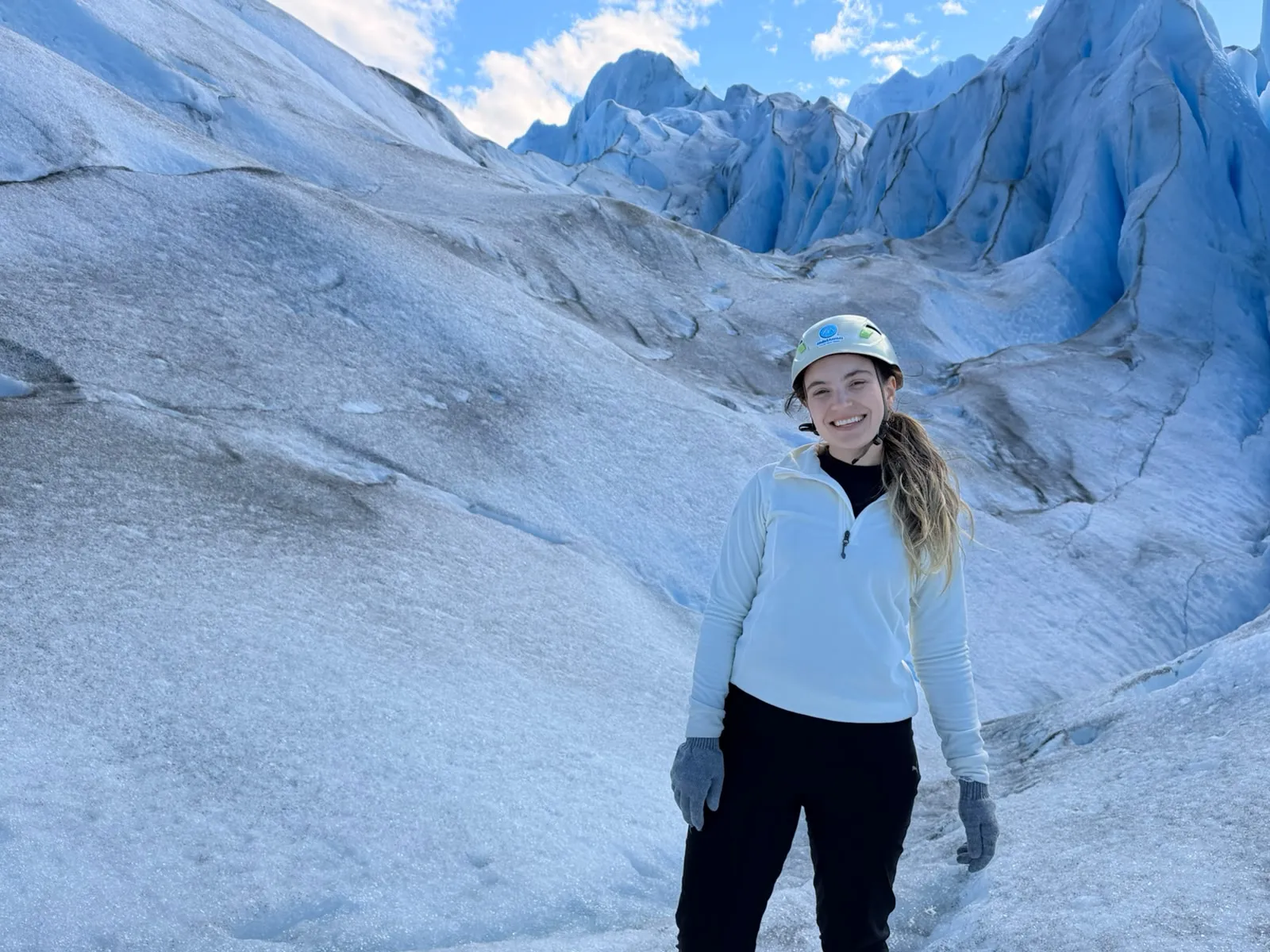
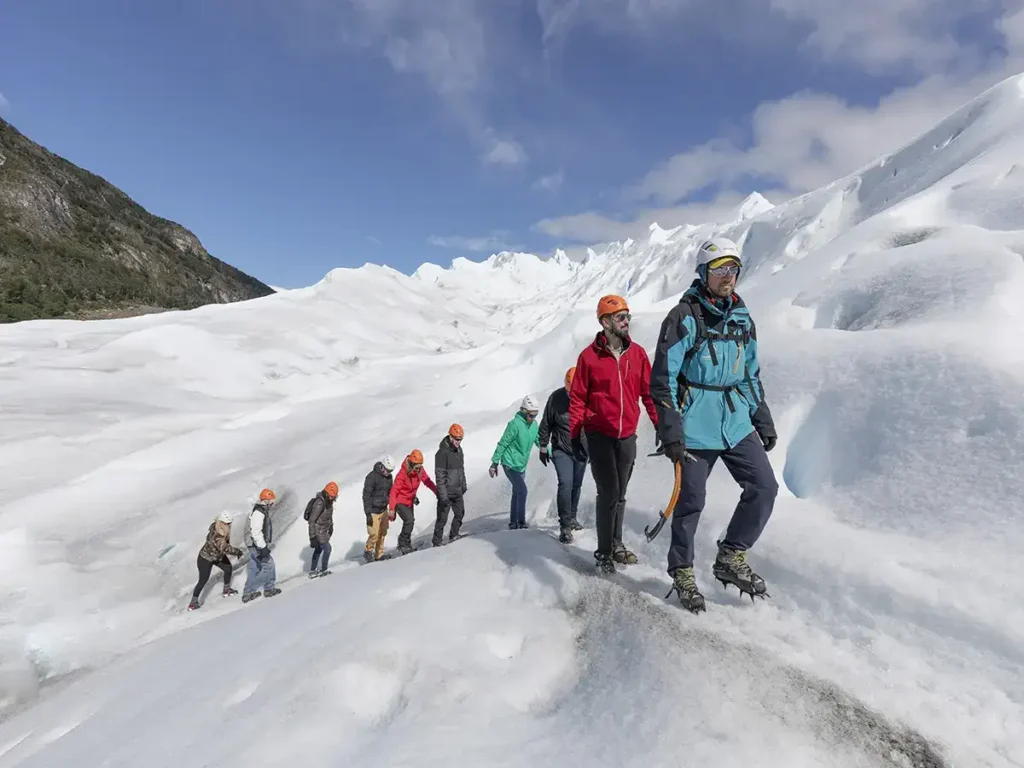
In El Calafate, travelers can walk on the Perito Moreno Glacier, choose between Minitrekking and Big Ice depending on fitness and interest, visit the walkways, navigate close to glacier walls, or spend a day at an estancia such as Estancia Cristina or Nibepo Aike.
In Bariloche, the experience may be sailing on Nahuel Huapi, exploring the Seven Lakes Route, visiting Villa La Angostura and San Martín de los Andes, tasting regional wines, discovering tea houses, or walking through forests filled with southern character.
In Ushuaia, the appeal is different again: the Beagle Channel, Tierra del Fuego National Park, penguin colonies, remote landscapes, and hikes such as Laguna Esmeralda or Vinciguerra Glacier.
The secret is not choosing the “best” activities in Patagonia. It is choosing the right activities for your energy, interests, and travel companions.
8. Families in Patagonia Need a Different Kind of Design
Patagonia can be amazing for families, but it needs to be designed with care.
Children often love Patagonia because it feels big, open, and full of stories. There are trains, glaciers, boats, animals, chocolate, horses, forests, and landscapes that look almost unreal. But family travel has limits that adult-only itineraries do not.
Long hiking days may not work for everyone. Weather can change moods quickly. Transfers should be paced well. Hotels need to be comfortable and practical. Activities should have variety, not just scenery.
A family with children ages 12, 9, and 8 should not necessarily follow the same Patagonia route as two active couples in their 40s. The family may need later starts, shorter excursions, more interactive experiences, and days that mix nature with something playful or educational.
This does not mean making the trip less special. It means making it work.
For families, Ushuaia can bring wildlife, history, and end-of-the-world imagination. El Calafate can bring glaciers, ziplining, horseback riding, and estancia culture. Bariloche can bring lakes, chocolate, forest trails, and soft adventure.
The goal is for the children to feel Patagonia, not just be transported through it.
9. Sample Itinerary One: 10 Days for Active Friends Who Love Hiking
This itinerary is designed for two couples, around 45 years old, who love trekking, adventure, and full days outdoors. They have 12 nights total in Argentina, but 10 days in Patagonia. For logistical comfort, they spend the first and last night in Buenos Aires.
Their Patagonia journey begins with a morning flight from Buenos Aires to El Calafate Airport. From there, a private transfer takes them directly to El Chaltén, a drive of about three hours through open Patagonian steppe.
They stay four nights in El Chaltén.
Because they arrive early, the first day can include a lighter warm-up hike to Mirador de los Cóndores. It is a short but rewarding trail, perfect for stretching the legs after travel and getting a first view of the landscape.
The next days are dedicated to serious hiking. Their priority is to see Mount Fitz Roy clearly, so the itinerary allows enough nights to choose the best weather window. This is essential. In El Chaltén, one cloudy day can completely hide the mountains, so flexibility is not a luxury. It is part of the strategy.
If the third full day shows the best forecast, the first major hike can be Cerro Torre. For strong hikers, continuing toward Mirador Maestri can add even more depth to the day. Then, on the best weather day, they hike to Laguna de los Tres to see Fitz Roy up close. Starting from Río Eléctrico and returning through Laguna Capri creates a beautiful variation and avoids making the route feel repetitive.
On the final day in El Chaltén, the choice depends on energy. If they are tired, Chorrillo del Salto offers a softer outing. If they still have legs, Loma del Pliegue Tumbado is one of the most rewarding hikes in the area, with sweeping views that feel almost unfairly generous.
After El Chaltén, they return to El Calafate for three nights.
On arrival, instead of forcing another major excursion, the afternoon can be dedicated to a cultural experience connected to the region, including local stories and Andean flavors. The next day is for Perito Moreno Glacier. Depending on how much they want to walk on the ice, they can choose Minitrekking or Big Ice.
Minitrekking is more accessible and still unforgettable. Big Ice is longer, more demanding, and better suited for travelers who truly want a deeper glacier trekking experience.
Their final full day in El Calafate is dedicated to Glaciar Sur Aventura, combining remoteness, scenery, and a stronger sense of expedition.
The last Patagonia stop is Ushuaia, for three nights.
Here, we would recommend Laguna Esmeralda, one of the most iconic hikes near Ushuaia, and then the more demanding Vinciguerra Glacier trek for their final full day. It is a strong ending for travelers who came to Patagonia not only to see landscapes, but to earn them.
10. Sample Itinerary Two: A Romantic Patagonia Honeymoon
This itinerary is designed for a honeymoon couple with 10 full days in Argentina and nine nights total. They want to fly directly to their first destination upon arrival, but they prefer to sleep in Buenos Aires on the final night to protect their international flight home.
The trip begins in Bariloche, with three nights in the Lake District.
This is a softer, more romantic beginning. Instead of rushing into intense hiking, the first days are built around water, wine, views, and the feeling of being in Patagonia without having to conquer it.
Their priority is to contemplate landscapes, so we would arrange a private navigation on Nahuel Huapi Lake with fondue and a beautiful Pinot Noir from the region. This is the kind of day that feels simple on paper, but becomes one of the emotional anchors of the trip.
The next day is dedicated to the Seven Lakes Route, connecting Bariloche with Villa La Angostura and San Martín de los Andes. For this couple, the focus is not only the scenery. It is also the small, authentic stops: tea houses, lake viewpoints, mountain roads, quiet villages, and the kind of local places that make the day feel personal instead of packaged.
From Bariloche, they fly to El Calafate Airport, where a private transfer waits to take them across the border toward Puerto Natales.
Their goal is to experience Torres del Paine. They do not want to leave Patagonia without seeing those dramatic towers and the landscapes of southern Chile. During their three nights in the area, they include scenic exploration of Torres del Paine and a navigation to Balmaceda and Serrano glaciers.
This part of the trip brings a different kind of drama. Wider, more remote, more cinematic. It contrasts beautifully with Bariloche’s lakes and forests.
After Puerto Natales, they continue to El Calafate for their final three nights in Patagonia.
Here, the focus is glaciers. To make the stay more intimate, we would place them in remote domes outside the city, where the feeling is quieter and more private. On the first night, a romantic dinner can be arranged to mark the shift into the final chapter of the honeymoon.
One day is dedicated to a Perito Moreno Glacier navigation, allowing them to experience the glacier from the water and the walkways without necessarily making the day too physically intense.
The final full day is reserved for one of the most beautiful estancia experiences in Patagonia: Estancia Cristina. They navigate through the Cristina Channel with views toward Upsala Glacier, arrive at the estancia, ride on horseback near Lago Pearson, and finish with a warm Patagonian meal.
It is romantic, remote, and deeply connected to place. A perfect final memory before returning to Buenos Aires.
11. Sample Itinerary Three: Patagonia for a Family With Three Children
This itinerary is for a family of two adults and three children, ages 12, 9, and 8. They have 10 days total, but on arrival the children will likely be tired, so they sleep in Buenos Aires and fly south the following day. On the final day, they fly from Bariloche to Buenos Aires and connect with their international flight.
The trip begins in Ushuaia, with three nights.
Ushuaia is a wonderful place for children because it feels like a storybook edge of the world. It has wildlife, boats, forests, trains, mountains, and a strong sense of place.
One day can be dedicated to the Almanza area and wildlife experiences, with the possibility of seeing penguins, sea lions, marine birds, and, depending on season and luck, other marine life in the broader Beagle Channel region. The exact wildlife plan should always be designed around the time of year.
The next full day combines Tierra del Fuego National Park with the End of the World Train. This gives the children nature, history, native birds, horses, forests, and a narrative they can actually connect with. It is much more engaging than simply driving from viewpoint to viewpoint.
From Ushuaia, the family flies to El Calafate for three nights.
On arrival, they can go to Cerro Frías for ziplining, while the oldest child may be ready to try horseback riding. This gives everyone an active but manageable first taste of the area.
The next day is dedicated to Perito Moreno Glacier. A Minitrekking experience can be ideal for a family with older children, depending on age restrictions and fitness. Ending the excursion with hot chocolate adds exactly the kind of cozy detail children remember.
The third day brings them to Estancia Nibepo Aike, a beautiful way to introduce local culture, animals, and traditional rural life. The children can learn about sheep shearing, estancia work, local fauna, and the rhythm of Patagonian ranch life.
The final stop is Bariloche, for three nights.
The first full day is Circuito Chico, one of the classic introductions to Bariloche. It is a scenic route that includes forests, lake views, mountain viewpoints, and iconic stops around the Llao Llao area. It works beautifully for families because it gives a strong sense of the Lake District without requiring a physically demanding day.
Afterward, the family visits a chocolate factory, where the children can learn how chocolate is made and create their own. This is exactly the kind of activity that balances the grandeur of Patagonia with something fun and tactile.
The final full day is a navigation on Nahuel Huapi Lake to the Arrayanes Forest. This is one of Bariloche’s most magical experiences: water, forest, light, and the rare cinnamon-colored arrayán trees that give the place its name.
In the broader Andean Patagonian forest ecosystem, wildlife can include species such as the pudú, the monito del monte, the giant Magellanic woodpecker, the chucao, the huillín, and the red fox. Sightings are never guaranteed, of course, but knowing these species belong to the region makes the experience richer for children and adults.
This family itinerary is not about doing less. It is about doing Patagonia in a way the whole family can enjoy.
12. How to Choose the Right Patagonia Itinerary for You
The right Patagonia itinerary starts with honesty.
Not Instagram honesty. Real travel honesty.
How much do you actually want to hike? How many hotel changes feel comfortable? Do you want to wake up early every day? Do you need downtime? Do you care more about iconic landscapes or about the feeling of staying somewhere remote? Are you traveling with children? Are you celebrating something? Do you prefer private guiding? Do you want every day planned, or do you want breathing room?
Once those answers are clear, Patagonia becomes easier to design.
For active travelers, El Chaltén should usually play a central role. For glacier lovers, El Calafate is essential. For romance and lakes, Bariloche and the Lake District are hard to beat. For end-of-the-world drama, Ushuaia adds a unique emotional layer. For families, the best route often combines wildlife, soft adventure, glacier access, and hands-on experiences. For travelers who want a broader luxury Patagonia journey, including Torres del Paine can be extraordinary if the logistics are handled properly.
The truth is that Patagonia is not a destination where a generic itinerary works beautifully for everyone.
It needs to be shaped.
And when it is shaped well, it becomes one of the most unforgettable trips in South America.
FAQs About Patagonia Travel Itineraries
1. Is 10 days enough for Patagonia?
Yes, 10 days can be enough for a beautiful Patagonia trip, as long as the itinerary is focused. The key is not trying to visit every major destination. With 10 days, it is usually better to choose two or three regions and experience them properly rather than rushing through five or six places.
2. What is the best Patagonia itinerary for first-time visitors?
For many first-time travelers, a strong itinerary includes El Calafate for Perito Moreno Glacier, El Chaltén for hiking and Fitz Roy, and either Bariloche or Ushuaia depending on the traveler’s interests. Bariloche is ideal for lakes, forests, food, and softer adventure. Ushuaia is better for end-of-the-world landscapes, wildlife, and a more remote feeling.
3. Should I include both Argentina and Chile in one Patagonia trip?
It can be a wonderful idea, especially if you want to visit Torres del Paine. However, crossing between Argentina and Chile adds logistics, border timing, and transfer planning. It works best when the itinerary has enough days and the route is designed carefully, usually connecting El Calafate with Puerto Natales or Torres del Paine.
4. Is Patagonia good for families with children?
Yes, Patagonia can be excellent for families, but the itinerary should be adapted. Children usually enjoy wildlife, glaciers, boats, chocolate, trains, horses, forests, and hands-on activities. Long treks and very remote stays may not be ideal for every family, so pacing is essential.
5. Do I need private guides in Patagonia?
Private guides are not always necessary, but they can make a major difference. In places like El Chaltén, a good guide can adapt hikes to weather and fitness. In El Calafate, private logistics help make glacier days smoother. In Bariloche or Ushuaia, guides can turn scenic days into deeper local experiences rather than simple sightseeing.
6. When should I start planning a Patagonia trip?
For the best hotels, guides, lodges, and experiences, it is wise to start planning several months in advance, especially for travel between October and March. Some travelers looking for highly exclusive stays, private guides, or very specific lodges begin planning up to 12 months ahead, especially for peak Patagonia season.
At the very least, we recommend starting the process around two/three months before the trip. Patagonia has limited availability in many high-quality properties, and certain excursions can sell out during busy periods. Early planning also allows the itinerary to be built around the best route, not just what is left available.