Argentina vs. Chile: Which Destination Is Better for Your Luxury South American Holiday?
Argentina or Chile? It is one of the most common questions travelers face when planning their first journey to South America. Both countries offer remarkable landscapes, excellent accommodations, world-class wines, and experiences that are difficult to find anywhere else. Yet choosing between them is rarely as simple as comparing a few famous destinations.
At Tailored Argentina, we specialize in designing personalized journeys across Argentina and neighboring South American countries. Although Argentina is our home, our experience planning travel on both sides of the Andes has taught us that the best choice depends on much more than the country itself.
Planning a luxury trip to Argentina?
Tell us what you have in mind, and we'll design a personalized itinerary for you.
Some regions offer similar scenery but very different experiences. Others are so complementary that visiting both countries makes considerably more sense than choosing just one.
The real questions are how much time you have, what you most enjoy doing, and which experiences deserve a place in your itinerary.
1. Argentina vs. Chile: Two Countries, Different Travel Experiences
Argentina and Chile share the Andes Mountains and thousands of kilometers of extraordinary geography. However, their landscapes, cultures, and travel experiences can differ significantly.
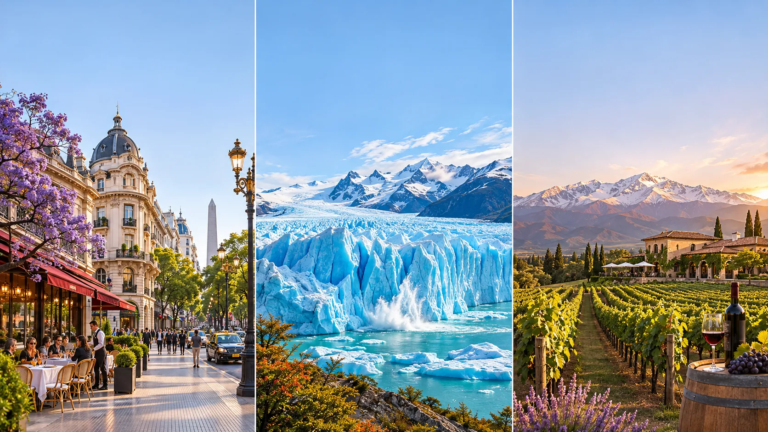
Argentina offers an enormous variety of destinations, from the European-influenced streets of Buenos Aires to Mendoza’s vineyards, the subtropical landscapes of Iguazú Falls, and the glaciers of southern Patagonia.
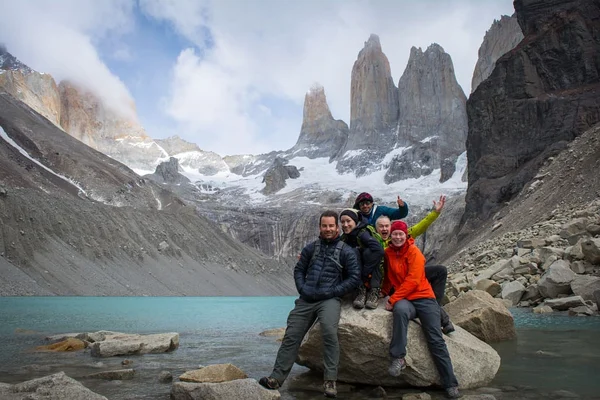
Chile, with its unusually long and narrow geography, offers its own remarkable contrasts. The Atacama Desert, the vineyards of the Central Valley, the dramatic mountains of Torres del Paine, and the remote fjords of southern Patagonia all provide very different reasons to visit.
For travelers exploring Tailored South America tours, understanding these regional differences is far more useful than trying to determine which country is better overall.
In some cases, we have a clear recommendation. In others, personal preferences and available travel time make all the difference.
2. Patagonia: Why Combining Argentina and Chile Often Makes More Sense
Patagonia is perhaps the best example of why Argentina and Chile should not always be considered competing destinations.
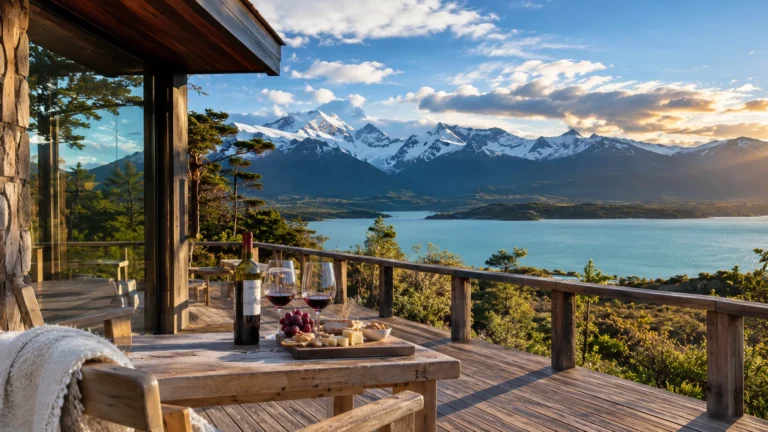
On the Argentine side, El Calafate, El Chaltén, and Ushuaia offer access to glaciers, mountain trails, and the landscapes of Tierra del Fuego. Across the border, Puerto Natales and Torres del Paine introduce travelers to impressive granite formations, turquoise lakes, and extraordinary wildlife.
For travelers particularly interested in hiking, our personal preference often leans toward El Chaltén. Trails leading toward Mount Fitz Roy and Cerro Torre offer some of Patagonia’s most memorable mountain scenery, with options ranging from relatively accessible walks to demanding full-day hikes.
Torres del Paine is equally deserving of attention, especially for its famous W Trek, wildlife encounters, and spectacular viewpoints. It also offers exceptional opportunities to stay in remote lodges surrounded by nature.
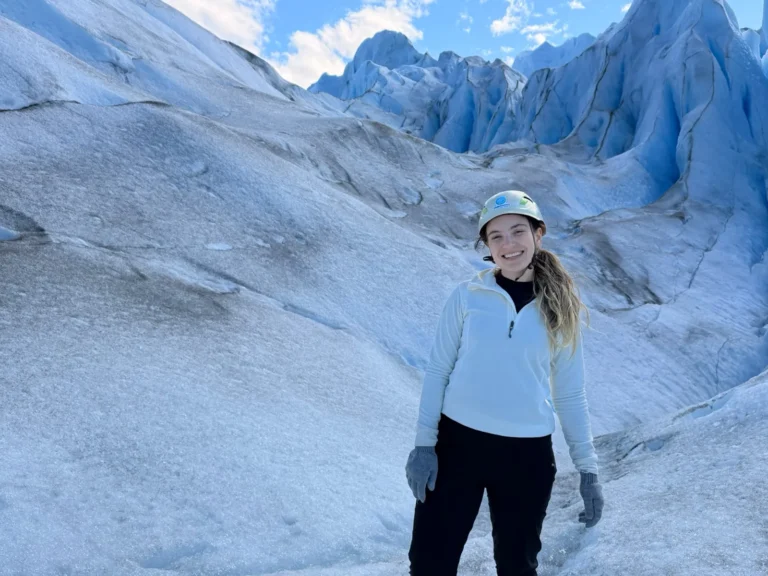
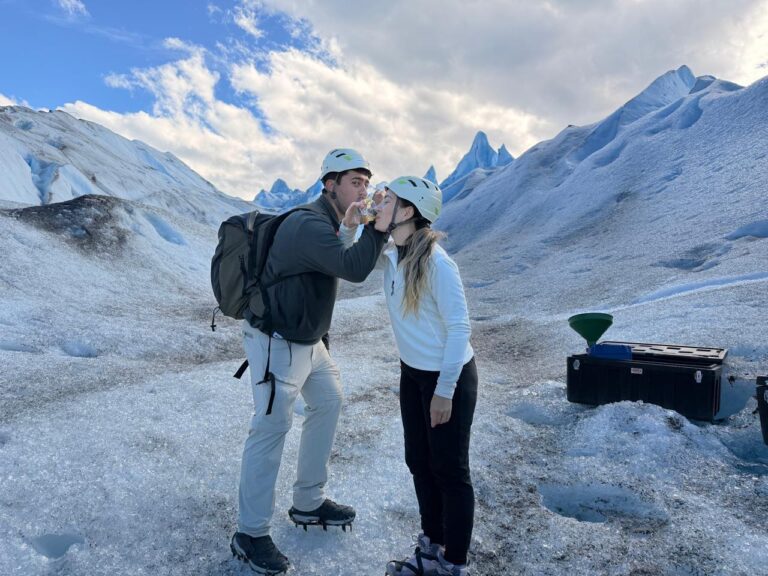
When it comes to experiencing glaciers up close, however, we particularly recommend El Calafate. The Perito Moreno Glacier is one of the region’s great natural attractions, and the possibility of walking directly on its ice, subject to operating conditions, makes the experience especially memorable.
Chile offers extraordinary glacier navigation as well, particularly around Grey Glacier and the southern fjords, but the experience is different.
If travelers have only three or four days to explore this part of Patagonia and want to combine glacier experiences with hiking, we would generally recommend concentrating on the Argentine side rather than spending valuable time crossing borders.
With more time, combining El Calafate, El Chaltén, and Torres del Paine can create a much richer itinerary.
Further south, Ushuaia and Cape Horn introduce yet another dimension. Small expedition cruises connecting Argentina and Chile navigate remote channels, glaciers, and islands that are difficult to experience any other way.
3. The Lake District: Bariloche or Puerto Varas?
Further north, the Andes connect two beautiful lake regions that share certain characteristics but offer distinct travel experiences.
On the Argentine side, Bariloche is surrounded by lakes, forests, and mountains. Nearby destinations such as Villa Traful, Villa La Angostura, and San Martín de los Andes add considerable variety, from secluded lakeside accommodations to scenic drives and outdoor adventures.
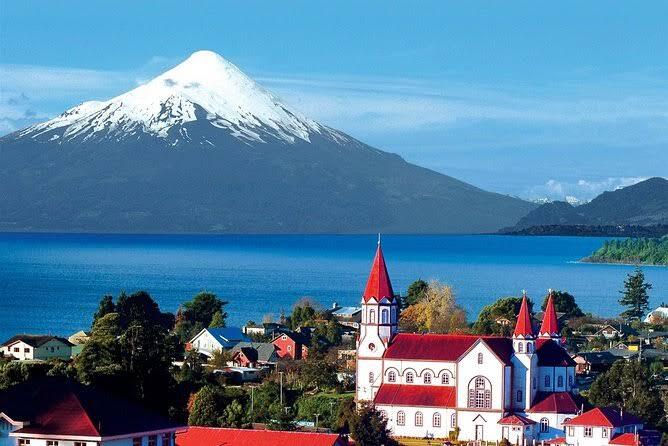
Across the border, Puerto Varas sits beside Lake Llanquihue, with views of the Osorno and Calbuco volcanoes. The surrounding region offers waterfalls, national parks, beautiful lodges, and access to the landscapes of northern Chilean Patagonia.
Both areas are wonderful for travelers interested in nature, relaxation, hiking, kayaking, and private outdoor experiences.
If we had to choose one for a relatively short visit, Bariloche would generally be our recommendation. The variety of nearby landscapes, accommodations, lake excursions, and smaller mountain communities makes it particularly versatile.
That said, Puerto Varas offers something different, especially its remarkable volcanic scenery and distinctive cultural heritage.
For travelers with additional time, crossing the Andes to experience both lake regions can be an excellent way to discover their similarities and differences firsthand.
4. Wine and Gastronomy: Why We Generally Recommend Mendoza
When travelers tell us that exceptional wines, vineyard visits, and memorable dining experiences are among their main priorities, our recommendation is usually straightforward: Mendoza.
Chile has an excellent wine industry, with renowned regions such as Casablanca, Colchagua, and Maipo producing outstanding wines. These valleys are particularly attractive for travelers combining Santiago, Valparaíso, and the surrounding countryside.
However, for a dedicated wine-focused holiday, we believe Mendoza offers a particularly complete experience.
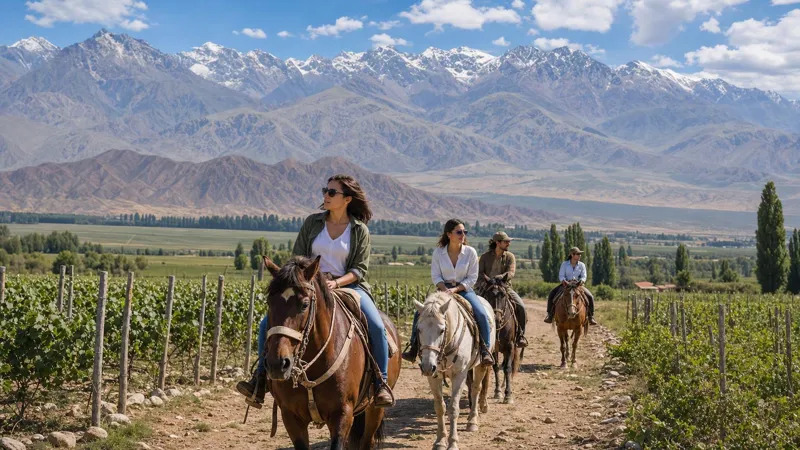
Within the province, several wine regions provide distinctly different settings. Luján de Cuyo is known for its historic wineries and prestigious Malbec producers. The Uco Valley combines high-altitude vineyards, innovative architecture, luxury wine lodges, and spectacular Andean scenery. Maipú offers another perspective on the region’s winemaking traditions.
This diversity allows travelers to spend several days visiting entirely different wineries, enjoying private tastings, meeting producers, and discovering restaurants where food and wine are equally important.
Mendoza also has an exceptional selection of vineyard accommodations, making it possible to build an itinerary around the wine experience itself rather than treating winery visits as occasional excursions.
For travelers with limited time who want to immerse themselves in wine and gastronomy, Mendoza would almost always be our first choice.
5. Northern Argentina vs. the Atacama Desert
Northern Argentina and northern Chile offer some of South America’s most unusual landscapes, but the experiences are not identical.
In Argentina, Salta and Jujuy introduce travelers to colorful mountains, traditional Andean villages, high-altitude salt flats, and a rich regional culture.
Destinations such as Purmamarca, the Quebrada de Humahuaca, and the Calchaquí Valleys can be combined into an itinerary that balances scenery, local traditions, boutique accommodations, and regional cuisine.
For travelers with relatively few days, we often favor northern Argentina because of the variety of experiences that can be organized within a manageable regional itinerary, provided the route is planned carefully.
Explore Your Private Argentina Journey
Tell us what you have in mind, and we'll design a personalized itinerary for you.
Chile’s Atacama Desert, however, has a character entirely its own.
Around San Pedro de Atacama, travelers can explore extraordinary salt flats, geothermal fields, high-altitude lagoons, and some of the world’s most remarkable night skies.
These are experiences that cannot simply be substituted with a visit to northern Argentina.
Our recommendation ultimately depends on interests. Travelers seeking a combination of landscapes, history, culture, and traditional villages may prefer Salta and Jujuy, while those fascinated by desert environments, astronomy, and unusual geological formations may find Atacama particularly compelling.
6. Buenos Aires vs. Santiago: Two Very Different Capitals
Comparing Buenos Aires and Santiago is more subjective than comparing many of the natural destinations.
Buenos Aires is celebrated for its architecture, restaurants, cultural life, tango, historic neighborhoods, and vibrant social atmosphere. Its European influences coexist with a distinctly Argentine identity.
Santiago offers a different urban experience, framed by the Andes and conveniently connected to Chile’s wine valleys and Pacific coast.
Both cities have excellent restaurants, upscale accommodations, and opportunities to experience local culture, but their personalities are quite different.
We do not believe there is a universal winner here.
For travelers interested in architecture, tango, and Buenos Aires’ distinctive cultural character, the Argentine capital may be particularly appealing. Others may appreciate Santiago’s mountain setting and proximity to wineries and coastal destinations.
When travelers have no strong preference, flight connections and the overall itinerary often become the deciding factors.
Choosing the right arrival or departure city can sometimes make the entire journey more comfortable and efficient.
7. Experiences You Can Find in One Country but Not Quite the Other
Although Argentina and Chile share certain landscapes, each has natural attractions that are difficult to replicate across the border.
In Argentina, Iguazú Falls is a perfect example. Located in the subtropical northeast, its enormous network of waterfalls, surrounding rainforest, and wildlife creates an experience entirely different from the country’s mountain and wine regions.
The Perito Moreno Glacier is another standout, particularly for travelers wishing to experience a massive glacier from its walkways, by boat, or directly on the ice.
Chile, meanwhile, offers access to spectacular Pacific fjords and remote channels that are among the highlights of southern South America. Expedition voyages through these waters, including routes toward Cape Horn, reveal landscapes and coastal environments that differ considerably from much of Argentine Patagonia.
The Atacama Desert is another distinctive Chilean highlight, with its otherworldly geology and exceptional stargazing opportunities.
These differences are worth considering before deciding where to spend your time. Sometimes a single experience that particularly excites you is reason enough to prioritize one country.
8. How Much Time Do You Need, and Should You Visit Both Countries?
One of the most important considerations when planning a luxury journey through Argentina or Chile is the amount of time available.
South America is enormous, and destinations that appear relatively close on a map may involve long drives, limited flight connections, or border crossings.
With seven to ten days, we generally prefer concentrating on one country and selecting two or three complementary destinations.
With approximately two weeks, combining Argentina and Chile becomes more realistic, particularly in Patagonia, where certain regions connect naturally by road.
For journeys of three weeks or longer, there is considerably more flexibility to combine major destinations across both countries without sacrificing the quality of the experience.
The important thing is not to visit as many places as possible.
A carefully designed itinerary should allow enough time to enjoy each destination, whether that means an additional night at a vineyard lodge, a second hiking day in El Chaltén, or an opportunity to explore Torres del Paine without constantly changing accommodations.
This is where thoughtful planning makes a meaningful difference.
Frequently Asked Questions
- Is Argentina or Chile better for a luxury vacation?
Both countries offer outstanding luxury travel experiences. Argentina is particularly attractive for wine tourism, diverse regional itineraries, and glacier experiences, while Chile stands out for destinations such as Atacama, Torres del Paine, and its remote fjords. The right choice depends on your interests and available time.
- Can you visit Argentina and Chile on the same trip?
Absolutely. Combining both countries is particularly popular in Patagonia, where destinations such as El Calafate, El Chaltén, and Torres del Paine can form part of the same itinerary. The key is allowing enough time for transfers and border crossings.
- Which country is better for hiking, Argentina or Chile?
Both offer exceptional hiking. El Chaltén is one of our personal favorites for mountain trekking, while Torres del Paine is internationally renowned for its multi-day circuits and dramatic scenery. Your preferred hiking style and available days should guide the decision.
- Is Mendoza better than Chile for wine tourism?
For travelers planning several days around vineyard visits, wine tastings, fine dining, and luxury wine lodges, we generally recommend Mendoza. Chile also produces exceptional wines and offers excellent wine regions, particularly near Santiago.
- How many days should I spend in Argentina and Chile?
Around two weeks is a reasonable starting point for combining selected destinations in both countries. If you want to include multiple regions, three weeks or more will generally provide a more comfortable pace and greater flexibility.
Final Thoughts: Argentina or Chile? Sometimes the Best Answer Is Both
After years of designing personalized journeys throughout Argentina and neighboring countries, our perspective is that neither destination is inherently better than the other.
We certainly have our preferences. For wine, we would choose Mendoza. For mountain hiking, El Chaltén is difficult to surpass. For a first visit to the Lake District, we often lean toward Bariloche.
But we would never suggest that these preferences apply to every traveler.
Chile offers extraordinary experiences that Argentina cannot replace, just as Argentina has destinations that are entirely unique.
Patagonia illustrates this beautifully. Visiting both sides of the Andes often reveals a more complete picture of the region, with landscapes and experiences that complement rather than compete with one another.
At Tailored Argentina, we design private, personalized journeys around each traveler’s interests, available time, and preferred pace. Our approach to Tailored South America tours is simple: recommend the destinations that genuinely make sense for the journey, whether that means exploring Argentina in depth, discovering Chile, or combining the best of both.
The best South American holiday is not about choosing the better country. It is about creating the right journey for you.
Let's Design Your Argentina Vacation
Tell us what you have in mind, and we'll design a personalized itinerary for you.