If you want to build a trip around Argentina’s MICHELIN-starred restaurants, the first thing I would say is this: do not think of it as a restaurant list. Think of it as a route. Because that is what makes this kind of trip actually work.
Right now, the MICHELIN restaurant story in Argentina is centered on Buenos Aires and Mendoza. The current guide recognizes 10 starred restaurants in total: 1 with Two Stars and 9 with One Star. That already tells you something important. If food is the thread, those are your two anchor destinations—you cannot leave them out! And honestly, that makes a lot of sense.
Buenos Aires gives you the sharper, more urban side of Argentine dining, while Mendoza gives you the slower, more atmospheric one. One is late dinners, city energy, elegant dining rooms, and a certain restless sophistication. The other is vineyards, mountain light, long lunches, and restaurants where the landscape is doing almost as much as the kitchen. That contrast is exactly why a luxury journey through Argentina guided by the Michelin Star can feel so rich when it is designed properly.
In This Guide:
- — Start in Buenos Aires, Where the Trip Feels Sharper
- — Then Go to Mendoza, Where Michelin Becomes Atmospheric
- — A Quick Note on MICHELIN Stars vs. MICHELIN Keys
- — The MICHELIN-Key Hotels That Make This Journey Better
- — How I Would Actually Structure the Itinerary
- — Why a Food Trip Should Never Be ONLY Michelin
Want to experience the pinnacle of Argentine dining without the stress of logistics and reservations? Let our local experts design your culinary journey.
Start in Buenos Aires, where the trip feels sharper
Buenos Aires is where I would begin. Not only because it is the country’s natural international gateway, but because it gives the trip a very good opening note. The city feels polished, layered, and alive in a way that works beautifully when food is the lens. If Mendoza is where the trip exhales, Buenos Aires is where it wakes up.
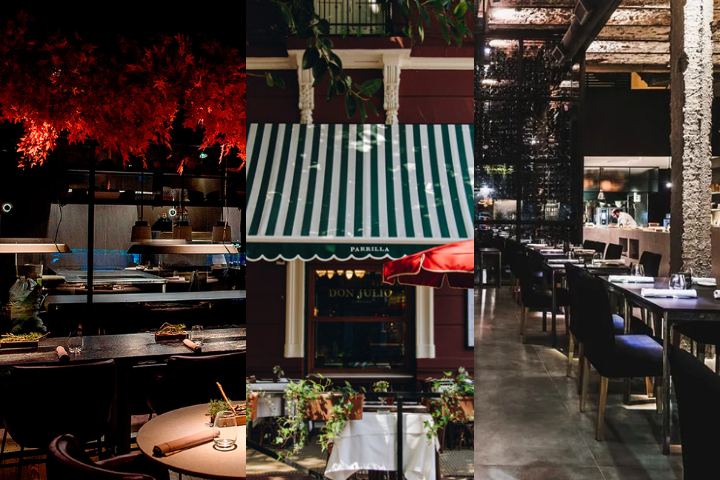
The current starred standouts in the city include Aramburu, which holds Two MICHELIN Stars, along with Don Julio, Crizia, and Trescha, all of which hold One Star. And this is where I think people sometimes get lazy. They hear “Michelin” and assume every restaurant is serving the same role in the itinerary. They are not (absolutely not!). Aramburu is not Don Julio. Don Julio is not Trescha. A city like Buenos Aires deserves a little more judgment than that.
- Aramburu, the only Two-Star restaurant in Argentina right now, is where you go when you want precision, control, and that feeling that every course has been thought through down to the millimeter. This is where you go to see what happens when technique, ambition, and choreography are pushed to the front.
- Don Julio matters for almost the opposite reason. It proves that a restaurant can be deeply Argentine, unapologetically centered on meat, and still sit very comfortably inside a global fine-dining conversation. It is the clearest example in Buenos Aires of how the parrilla becomes a cultural statement.
- Crizia gives you another side of the city entirely. It is lighter, more marine, and product-driven in a different register. Crizia helps break the stereotype that Argentine dining is “all meat, all the time” open, proving the city can be very seafood-literate when it wants to be.
- Trescha feels more contemporary, more chef-forward, and more explicitly experimental in spirit. It shows you where the city’s high-end food scene can go when it is allowed to be less anchored to expectation.
This is also why I would not rush the city. A Michelin-focused stay in Buenos Aires needs some air around the meals. You do not want to do a giant city day, squeeze in shopping, overbook the afternoon, and then arrive at dinner already tired. A slower breakfast, one neighborhood at a time, a lunch that makes sense in the rhythm of the day, and a dinner you actually have the energy to enjoy. That is how Buenos Aires starts to feel less like a list of bookings and more like a beautifully lived city.
Then go to Mendoza, where Michelin becomes more atmospheric
If Buenos Aires is the urban expression of MICHELIN in Argentina, Mendoza is the more atmospheric one. This is where the trip softens.
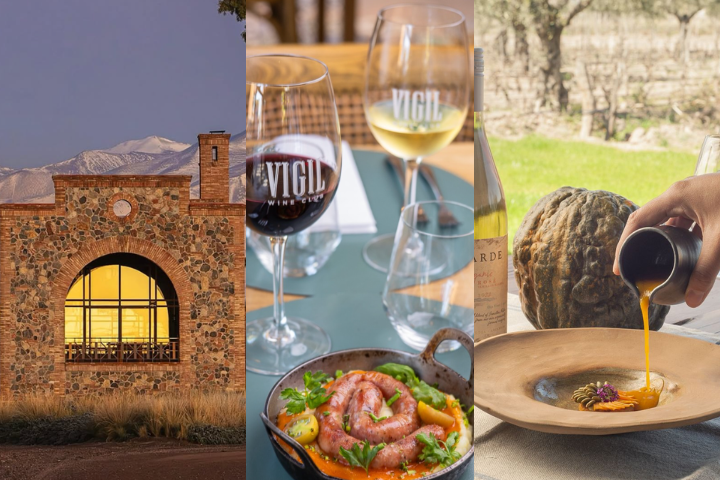
Mendoza’s current starred restaurants include Angélica Cocina Maestra, Azafrán, Brindillas, Casa Vigil, Riccitelli Bistró, and Zonda Cocina de Paisaje. Together with Buenos Aires, they complete the country’s 10 MICHELIN-starred restaurants.
But what I think makes Mendoza especially strong is not only the number of starred tables. It is the setting around them. Meals here tend to stretch. The drive to lunch often becomes part of the memory. The Andes are in the background before you even sit down. Wine country slows the whole emotional tempo of the trip in a very welcome way.
If someone tells me they want a proper Michelin trip through Argentina, I am not giving them one rushed lunch in Mendoza between flights and calling it done. That misses the point! Mendoza needs a few days. Enough time to enjoy the contrast between a more boutique stay in Luján de Cuyo and the broader, wilder feel of the Uco Valley. Enough time for the food to live inside the landscape instead of floating outside it.
A quick note on MICHELIN Stars and MICHELIN Keys in Argentina
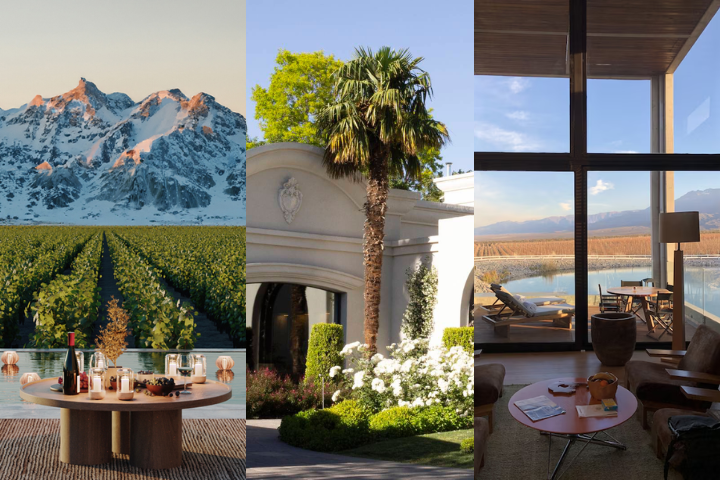
This distinction is worth making, because it says a lot about how we use MICHELIN Stars and Keys when designing a trip.
- MICHELIN Stars are for restaurants. They recognize the quality of the cooking.
- MICHELIN Keys are for hotels. They recognize the overall excellence of the stay experience, including service, design, architecture, and the sense that the hotel itself is worth the journey.
Because in Argentina, a food trip is never only about where you eat. It is also about where you sleep, how you move, and whether the whole journey feels coherent. A restaurant may define the night. But the right hotel often defines the tone of the whole trip. And for us, that is exactly why the MICHELIN Key conversation belongs inside the MICHELIN restaurant conversation.
The MICHELIN-Key hotels in Argentina that actually make this journey better
Argentina currently has 15 MICHELIN-Key hotels, and several of them fit very naturally into the kind of journey a food-led traveler would want to build.
In Mendoza, the ones that immediately matter to us are Susana Balbo Winemaker’s House & Spa Suites (our travelers absolutely love this one), Casa de Uco, and The Vines Resort & Spa.
- Susana Balbo Winemaker’s House & Spa Suites works beautifully for travelers who want intimacy, warmth, and a more personal kind of luxury in wine country.
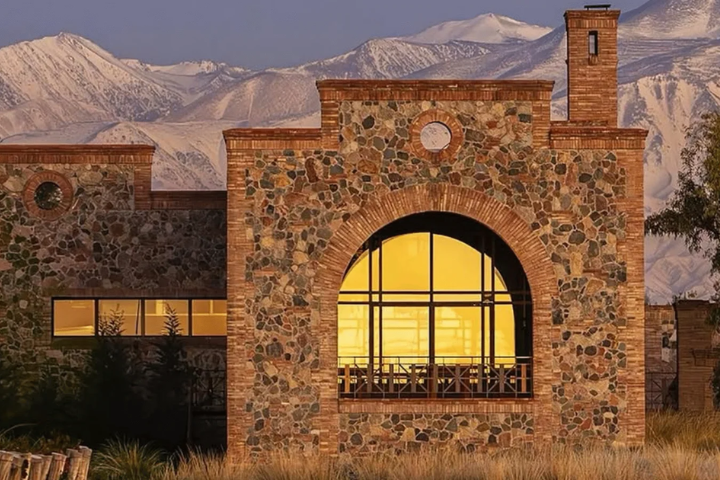
- Casa de Uco is stronger when the traveler wants something more architectural and estate-driven. It has that feeling of being really inside the landscape.
- The Vines Resort & Spa gives you a broader resort structure, a villa-forward experience, and a very strong sense of place in the Uco Valley.
In Iguazú, Awasi Iguazú is another MICHELIN-Key hotel that gives privacy, design, and a more exclusive jungle experience for travelers who want the wow factor without the feeling of a large resort.
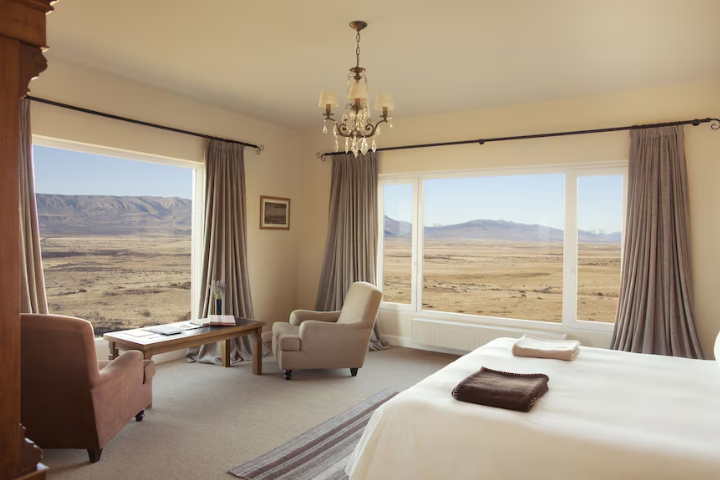
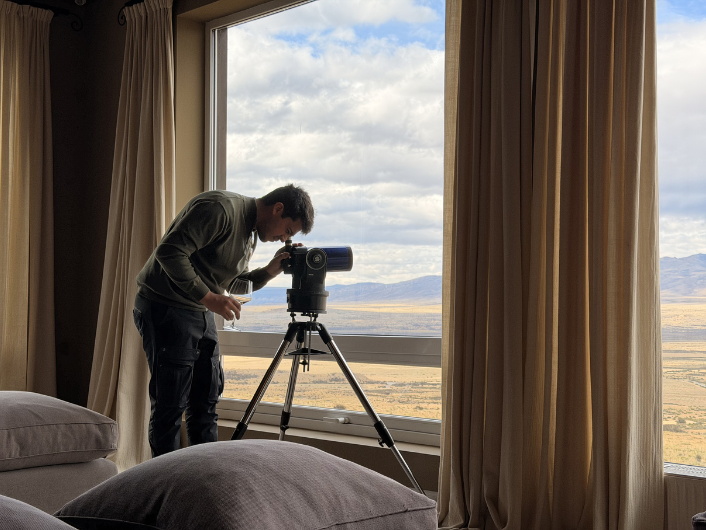
And then there is EOLO – Patagonia’s Spirit, in my opinion, the king of the list. EOLO holds Two MICHELIN Keys, and honestly, that feels exactly right. This is not about a single meal. It is about a property where the stay itself is the experience: the service, the silence, the steppe, the architecture, the emotional tone of being there. If a traveler wants to extend a Michelin-led route beyond the official restaurant geography, EOLO is one of the smartest ways to do it.
How I would actually structure it
When a traveler comes to us saying, “We want a tour through Argentina’s Michelin restaurants,” we usually shape it around Buenos Aires first, then Mendoza, and then perhaps one more destination for contrast.
That third stop would not be there because it has starred restaurants. It would be there because it gives the trip another emotional register. That might mean Patagonia, especially for travelers who care about landscape, quiet, and hotel-led luxury. It might mean Iguazú, if the route needs a jungle counterpoint. But the Michelin core, as of now, is very clearly Buenos Aires + Mendoza.
The whole point of a Michelin-led trip is that the restaurants are not all serving the same purpose. Some are lunch anchors, some are dinner peaks, some should be placed on the right day, after the right kind of afternoon, with the right premium hotel waiting afterward.
A Michelin trip through Argentina should never be ONLY Michelin
This is probably my strongest opinion in the whole piece. Yes, the stars matter. But if you build the whole trip only around starred restaurants, you risk flattening the country.
Argentina has too much personality for that! Some of the most memorable meals a traveler has here may happen outside the starred universe. A long lunch in wine country, dining at a Francis Mallmann restaurant, a beautifully grilled asado, a local favorite that is less formal but deeply expressive of the place. The smartest Michelin journeys here understand that the stars are the backbone, not the entire body.
My Honest Take
A Michelin-focused journey through Argentina is not about checking off ten restaurants. It is about moving through two regions that happen to express luxury, hospitality, and food in completely different ways. Buenos Aires gives you the sharper, city version of excellence. Mendoza gives you the softer, landscape version. And the right MICHELIN-Key hotels help carry that tone far beyond the table itself.
Frequently Asked Questions About Argentina’s MICHELIN Restaurants and MICHELIN-Key Hotels
How many MICHELIN-starred restaurants are there in Argentina?
As of the 2025 MICHELIN Guide Buenos Aires & Mendoza, Argentina has 10 starred restaurants in total: 1 restaurant with Two Stars and 9 with One Star. Michelin’s starred restaurant coverage in Argentina is currently centered on Buenos Aires and Mendoza.
What is the difference between a MICHELIN Star and a MICHELIN Key?
A MICHELIN Star is awarded to a restaurant and recognizes the quality of the cooking. A MICHELIN Key is awarded to a hotel and recognizes the overall excellence of the stay experience, including service, design, architecture, character, and the sense that the hotel itself is worth the journey.
Which regions in Argentina matter most for a MICHELIN-focused trip?
Right now, the two most important regions are Buenos Aires and Mendoza, because that is where the current MICHELIN-starred restaurants in Argentina are located.
Are there MICHELIN-Key hotels in Argentina that pair well with this kind of trip?
Yes. Argentina currently has 15 MICHELIN-Key hotels, and several pair very well with a high-end food journey, including Susana Balbo Winemaker’s House & Spa Suites, Casa de Uco, The Vines Resort & Spa, Awasi Iguazú, and EOLO – Patagonia’s Spirit.
Which Argentine hotel has Two MICHELIN Keys?
One of the best-known examples is EOLO – Patagonia’s Spirit in El Calafate, which currently holds Two MICHELIN Keys.
Should a MICHELIN trip through Argentina include only starred restaurants?
In our opinion, no. The starred restaurants should absolutely help shape the route, but the best food journeys through Argentina also leave room for winery lunches, parrillas, and exceptional non-starred meals that express the country in a more local way.
Is Buenos Aires or Mendoza better for a food-focused luxury trip?
They do very different things, which is exactly why they work so well together. Buenos Aires feels sharper, more urban, and more contemporary. Mendoza feels slower, more scenic, and more tied to wine country and landscape. Most strong food trips through Argentina combine both.
Let’s Design Your Michelin-Inspired Journey
Ready to experience the finest food and luxury accommodations Argentina has to offer? Reach out to our local team to start building an itinerary shaped around the MICHELIN Guide.




![Nibepo Aike - [Tailored Argentina]](https://tailoredargentina.com/wp-content/uploads/2026/06/Nibepo-Aike-Tailored-Argentina.png)