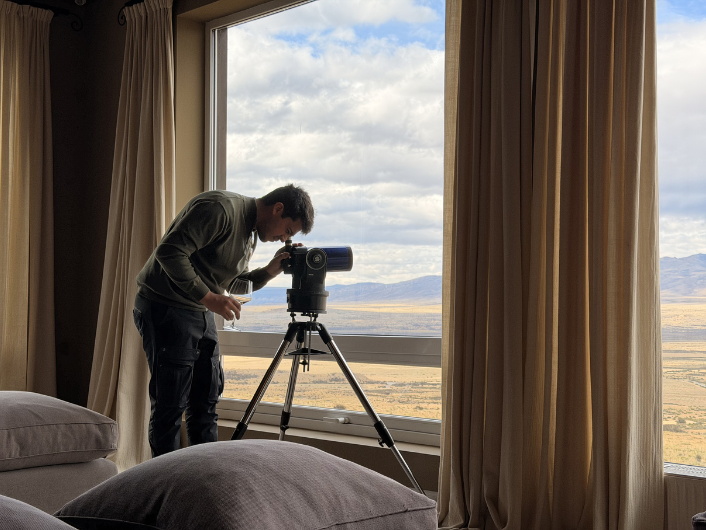
For years, Patagonia was marketed almost exclusively as a summer obsession: long daylight hours, iconic trekking routes, and that glossy peak-season energy that fills every postcard and half the internet. But a quieter shift is underway. More and more sophisticated travelers are now looking at Patagonia winter luxury travel not as a compromise, but as a smarter, more distinctive way to experience the region.
The appeal is easy to understand. Winter and the shoulder months surrounding it offer something increasingly rare in luxury travel: space. Space to look. Space to move. Space to feel that a place still belongs, at least partially, to itself. For travelers who want to avoid the obvious version of Patagonia, who would rather trade noise for atmosphere and crowds for calm, this has become the season with the best secrets.
Why Winter Feels More Exclusive Than High Season
Peak season in Patagonia is famous for good reason. Trails are more open, days are longer, and first-time visitors often gravitate toward the classic summer months. But with popularity comes density. In the most sought-after corners of Southern Patagonia, especially during the heart of summer, the sense of remoteness can soften a little under the weight of demand.
Winter changes that equation. The landscapes feel sharper, quieter, and somehow more cinematic. Hotels and lodges can feel more intimate. Service often becomes even more personal. And the overall rhythm of the journey changes from “see as much as possible” to “experience this properly.”
That shift is exactly why many travelers rethinking the best time to visit Argentina as a VIP are no longer defaulting to January. They are choosing a season that feels more editorial, more atmospheric, and frankly more private. In the luxury segment, that matters. The point is not simply to be somewhere beautiful. It is to experience beauty without feeling like you arrived with half the planet. This is where winter starts to look less like off-season and more like insider season.
El Calafate Is No Longer Just a Summer Play
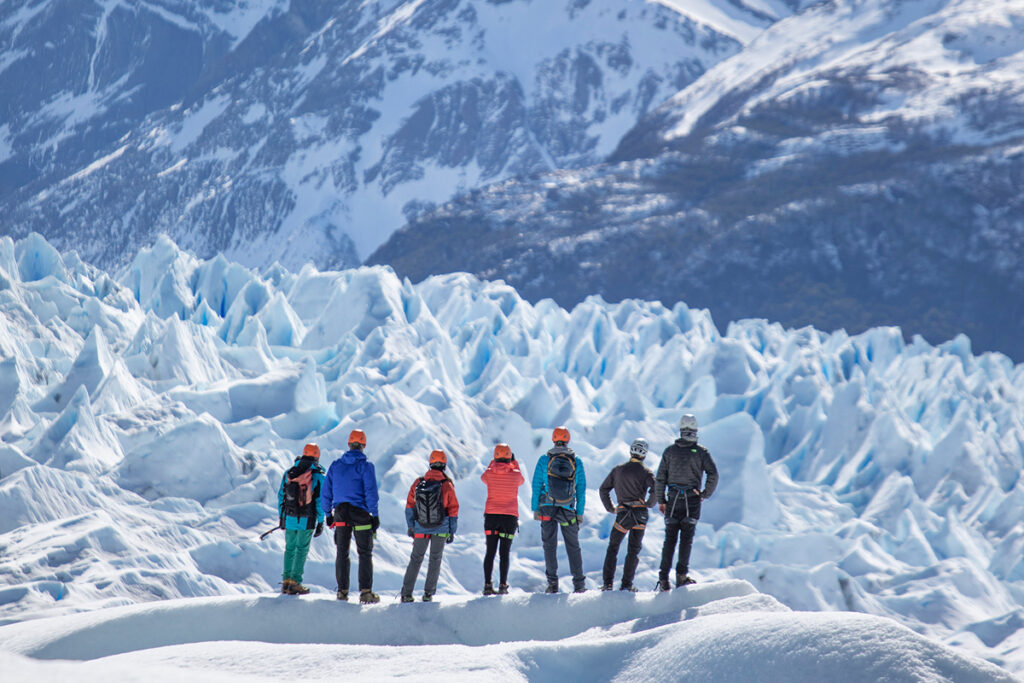
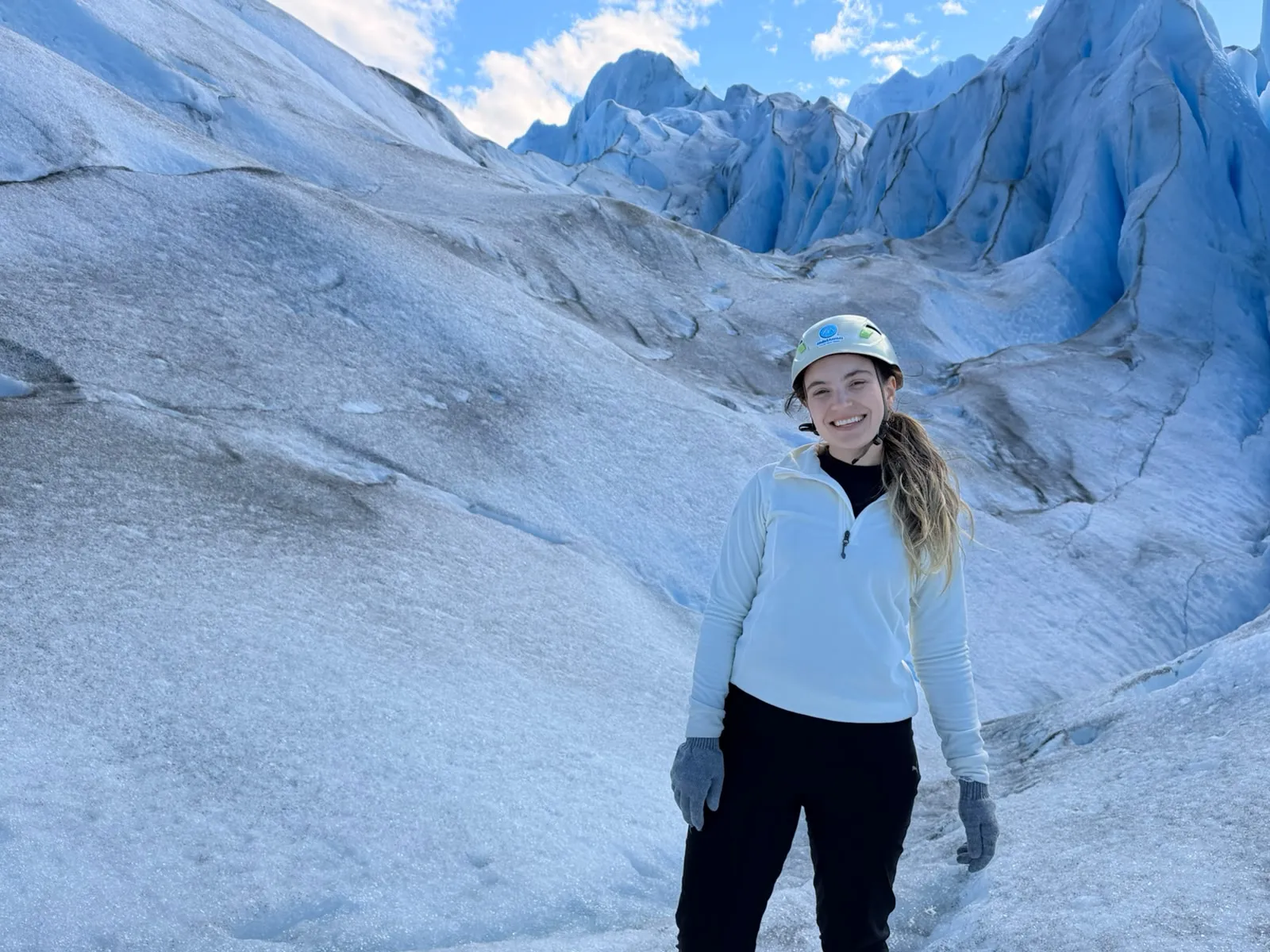
El Calafate is one of the clearest examples of how Patagonia’s travel calendar is evolving. The destination has long been associated with classic spring and summer departures, but winter is no longer the quiet afterthought it once was. In 2026, the Minitrekking excursion on Perito Moreno began operating in winter for the first time, marking a major shift for one of the region’s signature experiences. The official operator Hielo & Aventura currently lists the excursion as active, reinforcing that this is no longer just a warm-weather icon.
That matters because El Calafate works beautifully for travelers who want Patagonia without needing the trip to revolve around hardcore trekking. Perito Moreno remains spectacular in colder months, but the mood changes. The light becomes moodier. The atmosphere becomes quieter. The experience feels less like a queue toward a landmark and more like an encounter with it.
For high-net-worth travelers, this is where winter luxury becomes especially compelling. You can still enjoy one of Argentina’s most iconic natural sites, but with a different emotional texture. It feels more composed, less busy, and more memorable precisely because the season edits out some of the noise. And when a destination like El Calafate expands its winter offering rather than shutting down around it, that becomes a very strong signal: Patagonia’s so-called low season is no longer as limited as many people assume.
El Chaltén Is Magical, But Winter Requires Honesty
Not every corner of Patagonia behaves the same way in winter, and this is exactly where good planning matters. El Chaltén is stunning, but it is fundamentally a trekking destination. In winter, that reality becomes more pronounced. Official visitor information notes that from June to September trail access can become difficult due to snow or thaw-related mud, and travelers are advised to check conditions at the visitor center before setting out.
That does not mean El Chaltén should be ruled out. It means it should be chosen for the right reasons. Travelers expecting the classic, full-trekking version of El Chaltén need to understand that winter is not the season for a long wishlist of major hikes. The fantasy and the operational reality are not always the same thing.
But for the right traveler, that limitation is not a flaw. It is part of the charm. A quieter village, dramatic skies, snow tracing the peaks, shorter contemplative outings, and the privilege of seeing this famous landscape in a more stripped-back form can be deeply rewarding. You just need to go with winter expectations rather than summer assumptions. Patagonia tends to reward that kind of honesty. The best winter itineraries are not the ones that try to force the destination into a high-season script. They are the ones that let each place be exactly what it is.
Torres del Paine in Winter Has a Different Kind of Grandeur
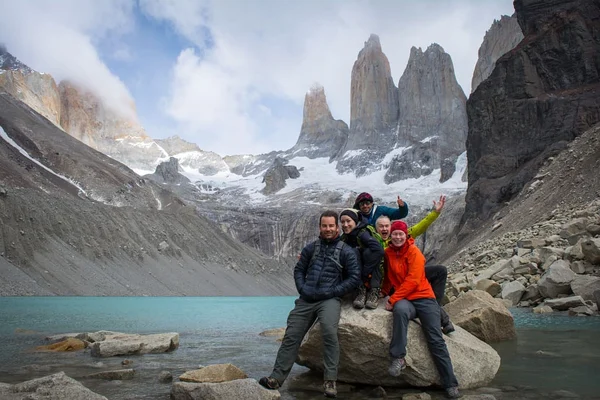
Torres del Paine has a mythic reputation, and deservedly so. In peak months it attracts trekkers from all over the world, particularly to the W and O routes. Official information from Las Torres notes that reservations for campsites and refugios are especially important in peak season, and park regulations actively manage visitor flow. That alone tells you something about the difference between visiting in crowded months and visiting outside them.
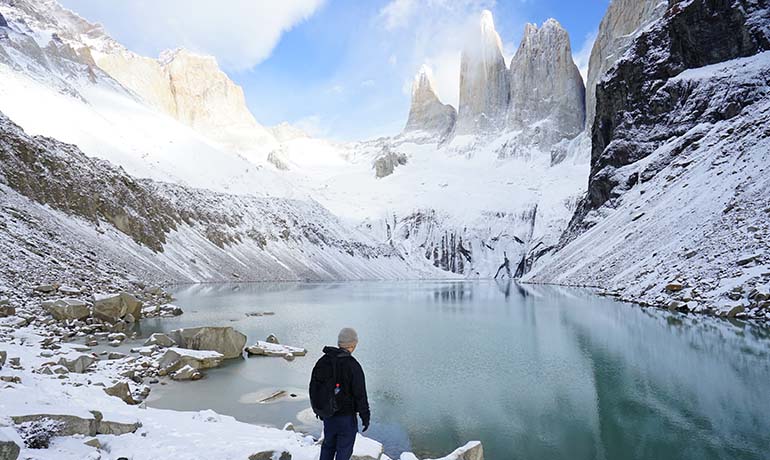
Winter, by contrast, offers a different register of beauty. It is not the version for everyone, especially not for travelers who are deeply cold-averse or determined to complete a classic trekking circuit exactly as imagined from summer imagery. But for those who do not mind proper layering, changing conditions, and a more elemental atmosphere, Torres del Paine in the colder season can be extraordinary. Chile’s tourism materials emphasize the need for appropriate clothing and gear, and official Las Torres communications continue to frame the reserve as an active, structured destination across changing seasons.
This is why winter Patagonia increasingly appeals to travelers who want drama without the social density. The massif looks severe, elegant, and enormous. The silence feels bigger. The scenery does not become less impressive in winter. It becomes more austere, which for a certain type of luxury traveler is even better. Less postcard, more presence.
The Real Secret Is Often the Shoulder Season
Winter is compelling, but the smartest answer is not always deep winter itself. Sometimes the real sweet spot lies just beside it. For many travelers focused on avoiding crowds Patagonia, the best timing can be April and May, or October and November, depending on the region and the style of trip.
This is especially relevant in northern Patagonia and Tierra del Fuego. Ushuaia’s official tourism board is very clear that from June through October the city offers ideal conditions for winter sports and snow-based entertainment across multiple winter centers. In other words, winter there is not quiet in the same way El Calafate winter can be. It is an active snow season destination.
The same logic applies to places in the Lake District orbit where winter sports pull demand upward rather than downward. So for travelers who love the Patagonia aesthetic but are not actually coming to ski, the more strategic move may be shoulder season instead of core winter. Late autumn brings beautiful color, mood, and thinner crowds. Spring can offer a similar sense of freshness before the main summer surge. Yes, weather can be unstable. Yes, rain is part of the package. But this is often where snow season luxury Argentina becomes more nuanced than people think. Sometimes the best “winter-style” Patagonia trip is not built in July. It is built just before or just after the loudest seasonal wave.
Patagonia Rewards Travelers Who Choose the Right Season for the Right Place
This is really the core idea. Patagonia is not one destination with one seasonal truth. It is a constellation of places, each with its own rhythm, its own strengths, and its own trade-offs. El Calafate is becoming more interesting in winter because certain iconic experiences are expanding into colder months. El Chaltén remains beautiful, but winter asks for realism. Torres del Paine can be magnificent for travelers who embrace the climate rather than resist it. Ushuaia and the broader snow belt behave differently again, with winter itself becoming a draw rather than a lull.
That is why the best Patagonia journeys are rarely built from generic advice. They are built from intent. Do you want silence or skiing? Open trails or moody landscapes? Snow sports or glacier drama? The answer changes the itinerary, and often the month too.
For the traveler who wants a version of Argentina that feels less obvious, less crowded, and more personal, Patagonia’s secret season is very real. It may be winter. It may be the shoulder months wrapped around it. But either way, the opportunity is the same: to experience one of the world’s great landscapes with more calm, more atmosphere, and a little less competition for the view. That kind of luxury is getting harder to find. Patagonia still knows how to offer it.
Frequently Asked Questions
Is winter a good time for Patagonia winter luxury travel?
Yes, for the right traveler. Winter can be an excellent time to experience Patagonia with fewer crowds, moodier landscapes, and a more private feel. But it depends on what kind of trip you want, because not every destination in Patagonia functions the same way in winter.
What is the best Patagonia destination for travelers who want fewer crowds?
El Calafate is often a strong choice because it offers iconic glacier scenery and, increasingly, winter-friendly experiences. It is especially appealing for travelers who want Patagonia’s grandeur without making the trip entirely about long trekking days.
Is El Chaltén worth visiting in winter?
In most cases, not really. El Chaltén is a destination built around hiking, and in winter many of its main trails are either closed, heavily limited, or simply not enjoyable for the average traveler. Only a small number of hotels remain open, services are reduced, and there is very little room for the kind of spontaneous walking and exploring that makes El Chaltén so special in the first place. Unless someone is specifically drawn to the winter atmosphere and fully understands the limitations, it is usually not the best season to experience it.
When should I go if I want to avoid crowds but do not want full winter conditions?
Shoulder season is often the answer. April and May, or October and November, can be excellent for travelers who want Patagonia with fewer people and beautiful landscapes, without committing to the full realities of winter travel.
Is Torres del Paine still worth it outside peak summer?
Absolutely. Torres del Paine can be spectacular beyond summer, especially for travelers who are comfortable with variable weather and proper gear. The experience becomes more austere and atmospheric, which is exactly what many high-end travelers are seeking now.
![Nibepo Aike - [Tailored Argentina]](https://tailoredargentina.com/wp-content/uploads/2026/06/Nibepo-Aike-Tailored-Argentina.png)