There is a reason more companies are rethinking the classic offsite.
A few days away with the team is no longer just about stepping out of the office. The best retreats create space for something more valuable: sharper conversations, stronger alignment, better ideas, and the kind of shared memories that change how people work together long after everyone flies home.
That is what makes Argentina such a compelling destination for corporate executive retreats in Argentina. It is not just beautiful. It is versatile in a way very few countries are. Within one destination, companies can move between radically different landscapes, energies, and styles of experience without losing coherence. One retreat can be built around adventure and challenge. Another around reflection, gastronomy, and slow connection. Another around culture, contrast, and creative stimulation.
The point is not simply to go somewhere impressive. It is to choose the setting that best supports the outcome the company wants to create.
One Country, Many Retreat Personalities
Argentina works especially well for executive offsites because it does not offer one singular experience. It offers many.
A leadership team looking for silence, perspective, and high-impact scenery may find exactly what it needs in Patagonia. A company focused on celebration, hospitality, and relationship-building may be better suited to Mendoza. A more culturally curious group may connect more deeply in Buenos Aires, where history, architecture, design, and cuisine overlap in a way that constantly keeps the mind engaged. And for teams that want something more dramatic and unexpected, the northwest or Iguazú can deliver a sense of scale that immediately takes people out of routine thinking.
This variety matters. Not every company should have the same retreat just because the word “retreat” appears in the brief. The destination should reflect the culture of the team, the pace of the program, and the intention behind the gathering. In that sense, Argentina is less a single destination and more a portfolio of possibilities.
Patagonia for Perspective, Focus, and Shared Challenge
Patagonia remains one of the strongest settings for companies that want their retreat to feel expansive, memorable, and quietly transformative.
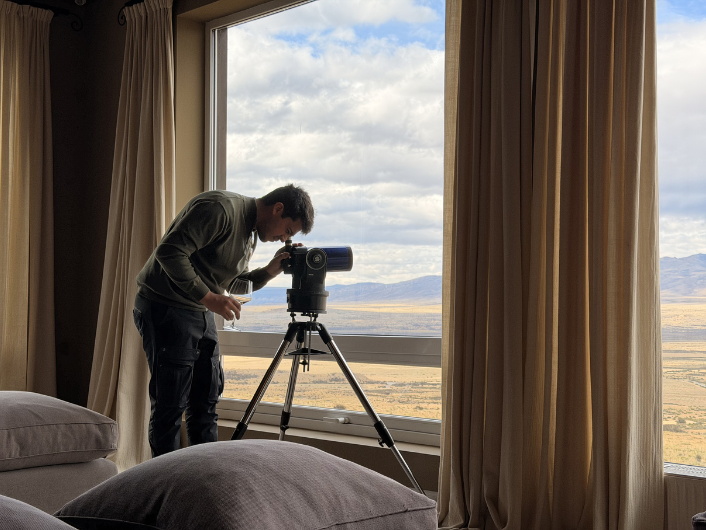
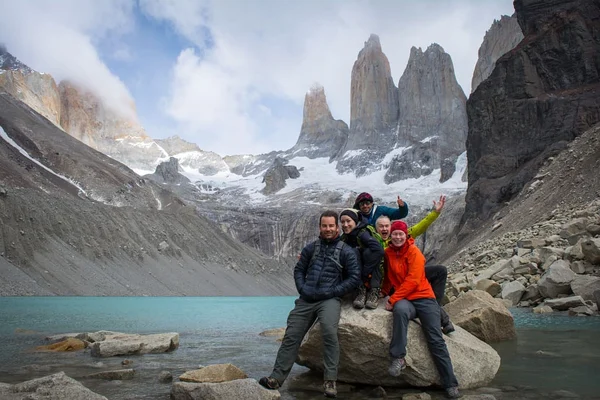
This is where the idea of team building in Patagonia becomes especially powerful. The region naturally invites a different rhythm. People walk more, look up more, and speak with more presence. The scale of the landscape has a way of stripping away noise. Meetings feel clearer. Conversations feel less transactional. Even a well-designed dinner lands differently when it follows a day spent outdoors.
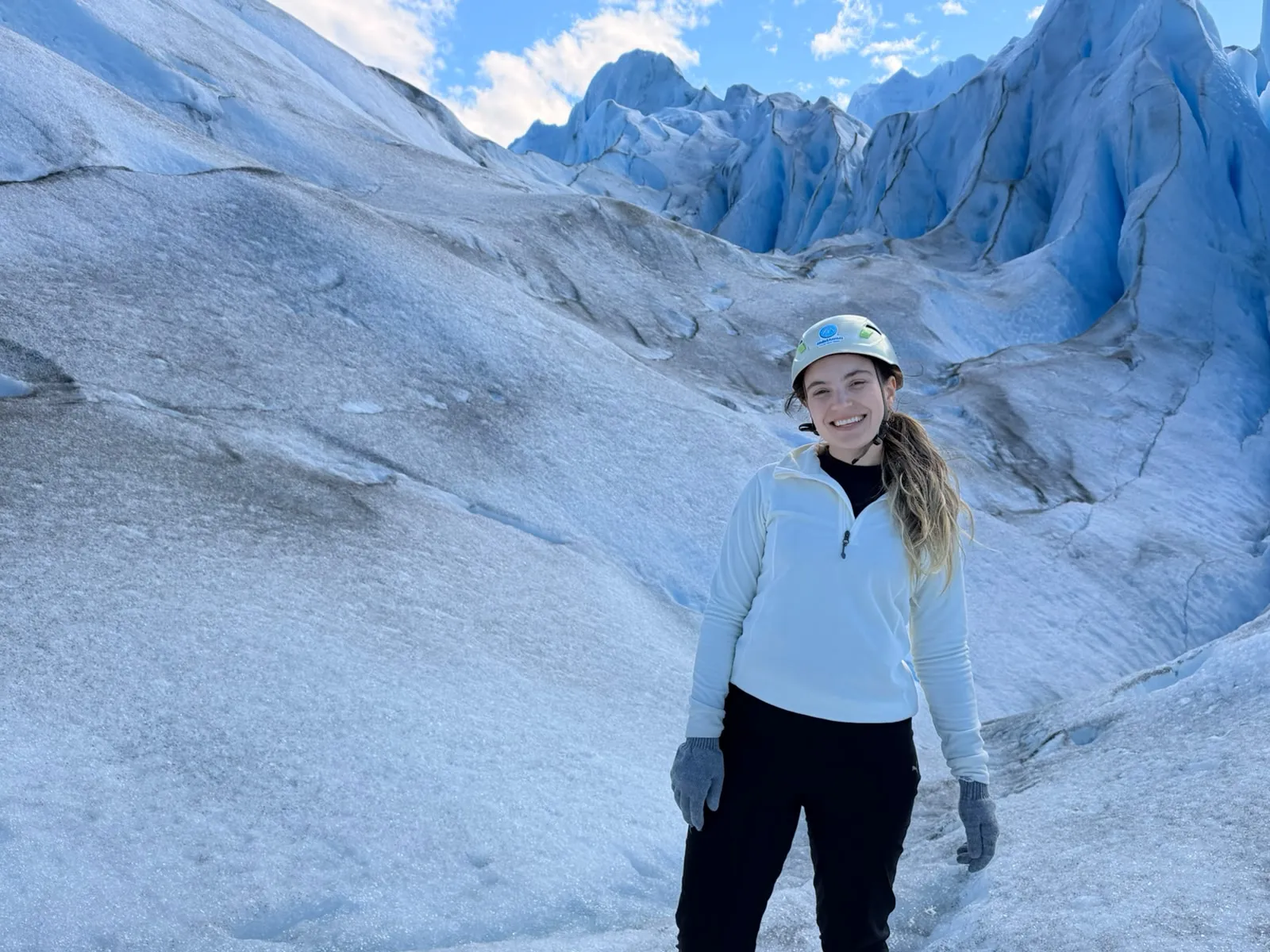
Within Patagonia itself, the mood can shift depending on the experience the company wants to create. Bariloche offers lakes, forests, refined hospitality, and a softer entry point into nature. It works beautifully for teams that want a balance of comfort, scenery, and curated activities. El Chaltén introduces something more elemental, ideal for groups drawn to movement, challenge, and a deeper sense of accomplishment. Further south, the remoteness of the region can make even a short gathering feel significant.
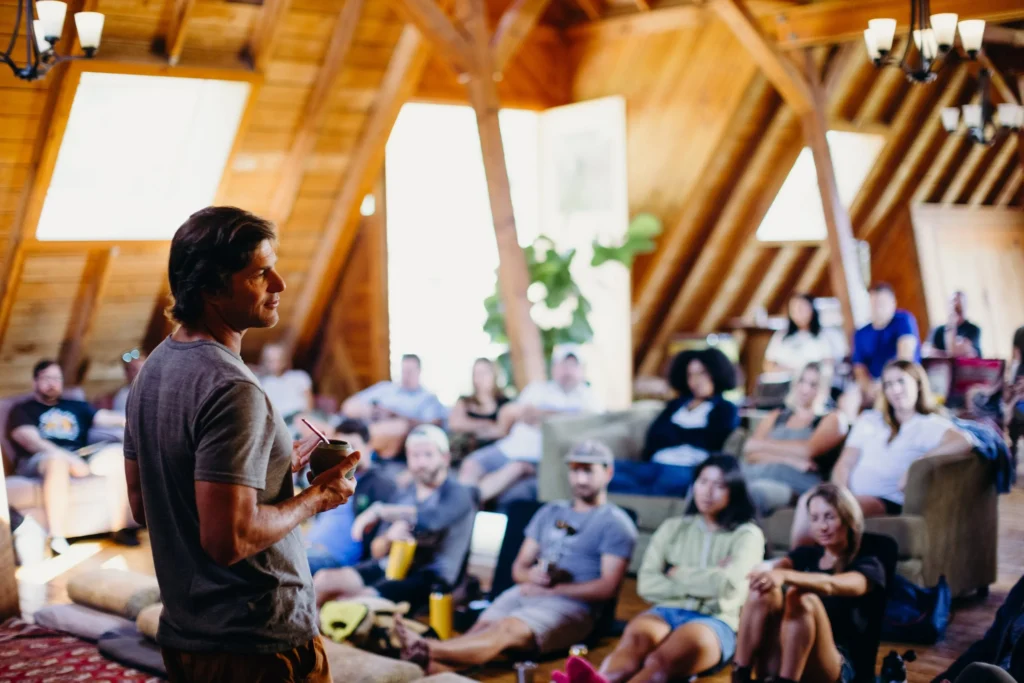
Activities matter here, but not as filler. A guided hike, a private boat outing, a scenic horseback experience, or even a fireside tasting can become part of the retreat’s architecture. These are the moments where hierarchy loosens, informal leadership appears, and the group starts relating to itself in a different way.
Mendoza and the Northwest for Connection Through Experience
Not every retreat needs to be physically demanding to be effective.
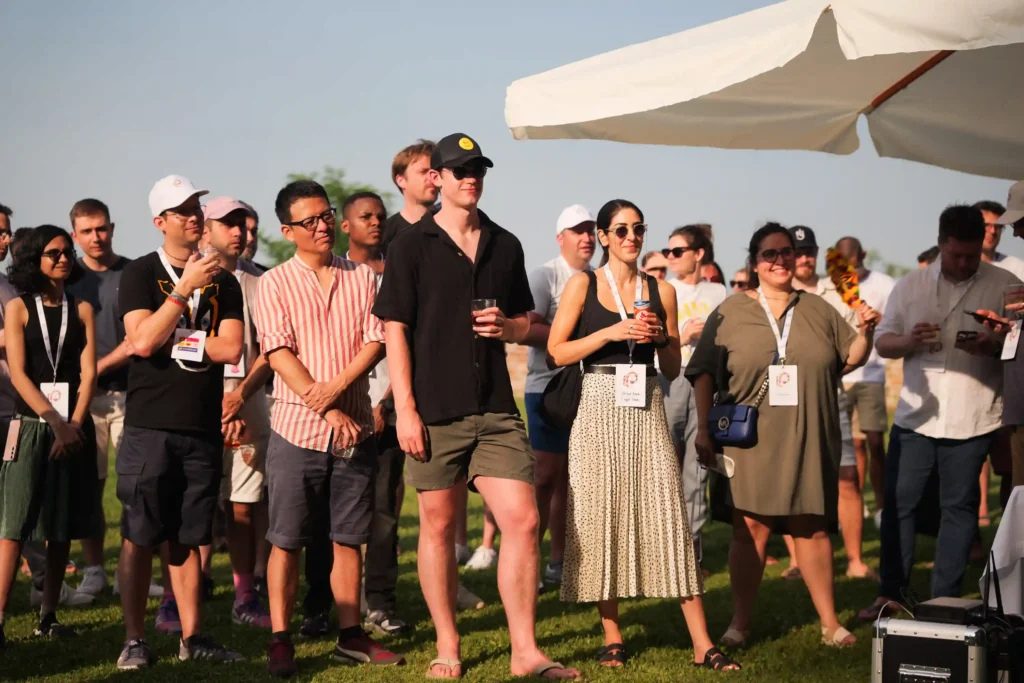
For some companies, the real value comes from creating an atmosphere where conversation flows naturally, where people slow down, and where the team can connect through pleasure, hospitality, and shared discovery. This is where Mendoza and northwestern Argentina become especially compelling.
Mendoza is often underestimated in corporate design because it is associated so strongly with wine. But that is precisely part of its strength. The region understands pacing. It is polished without being stiff, scenic without trying too hard, and ideal for groups that want elegant experiences with substance behind them. Private winery lunches, blending sessions, mountain drives, horseback riding, cooking experiences, and fireside dinners all create opportunities for interaction without forcing it. For companies interested in luxury corporate travel in South America, Mendoza offers a version of retreat design that feels both refined and warm.
Salta and Jujuy move in a different direction. Their landscapes are more dramatic, their cultural identity more pronounced, and their atmosphere more unexpected for international teams. The retreat becomes not just an internal company moment, but a genuine encounter with place. The colors, altitude, regional cuisine, local traditions, and vast desert-like scenery create a setting that can feel incredibly energizing. For leadership groups or creative teams, that sense of contrast can be a powerful asset.
Iguazú and the Power of Awe
Some destinations sharpen thought through silence. Others do it through impact.
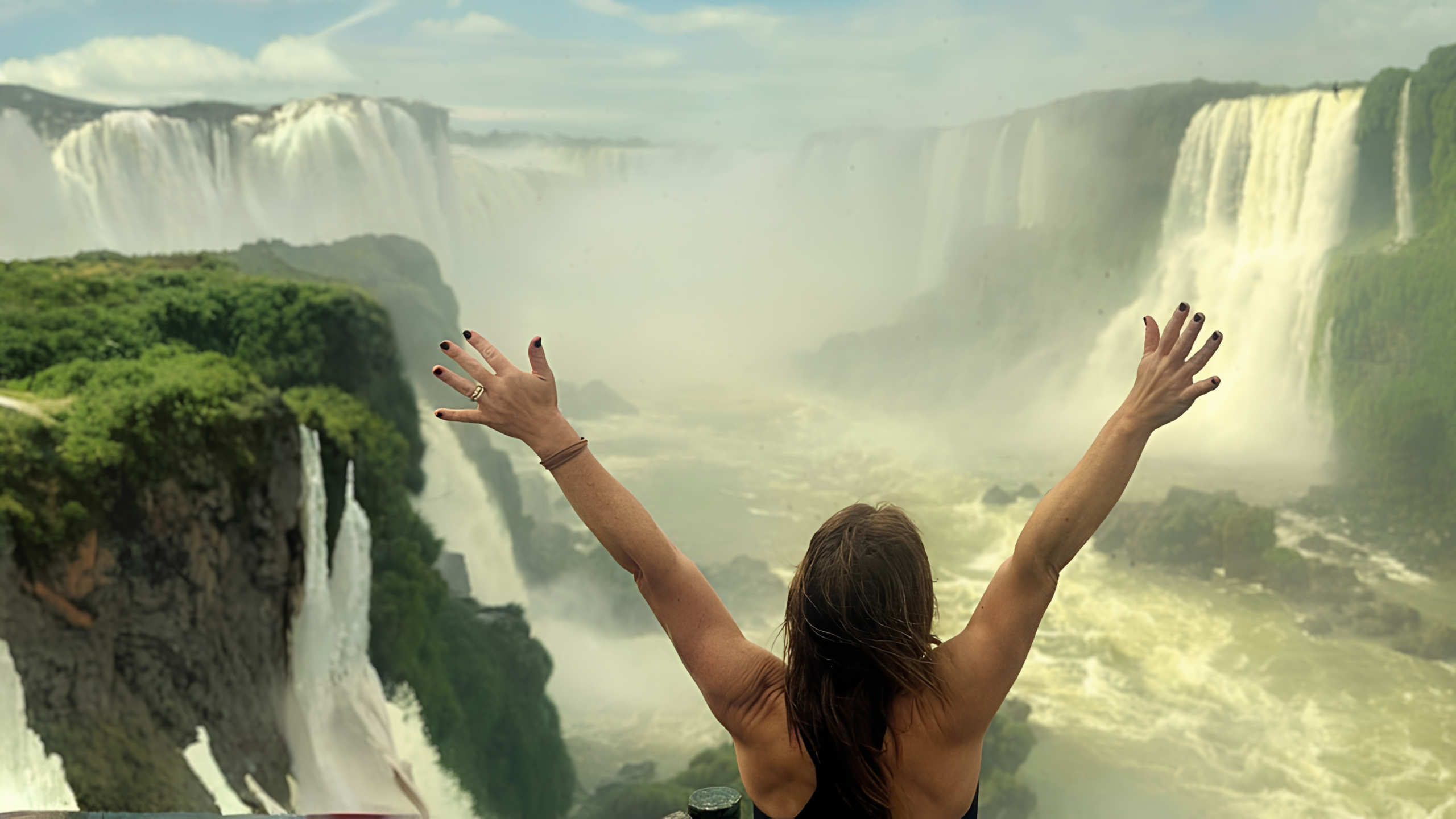
Iguazú belongs to the second category. Few places create such an immediate sense of scale and awe. For teams that need a reset, a burst of energy, or a setting that feels nothing like business as usual, Iguazú is hard to match. The rainforest, the sound of the falls, the force of the water, and the contrast between tranquility and intensity make the destination memorable from the first hour.
This kind of environment works especially well when a company wants to reawaken curiosity and presence. It is difficult to stay half-engaged in a place like that. People become more alert, more open, more available to experience. In practical terms, this can translate into better participation, stronger interpersonal moments, and a retreat that feels emotionally vivid rather than merely well organized.
Iguazú also lends itself to a variety of formats. It can be a standalone retreat for a shorter high-impact program, or it can be integrated into a broader Argentina itinerary. That flexibility is part of the country’s appeal overall. Teams are not limited to one terrain or one kind of energy.
Buenos Aires for Culture, Contrast, and Conversation
If Patagonia gives perspective and Mendoza gives atmosphere, Buenos Aires gives texture.
For companies thinking beyond traditional retreat formulas, the city offers a rich setting for conversation, creativity, and cultural immersion. Its architecture shifts from Parisian elegance to modern glass towers to historic neighborhoods layered with political and artistic memory. That contrast makes it an especially strong choice for teams that thrive on ideas, narrative, and stimulation.
Buenos Aires can work beautifully for arrival days, final nights, or as the main stage for a more urban offsite. Private dining rooms, architectural tours, contemporary art visits, behind-the-scenes cultural experiences, cooking classes, and thoughtfully designed city explorations can all become part of company offsite planning BA. Done well, the city does not feel chaotic. It feels alive.
This is also where retreat design can become more conversational and strategic. Teams can move from formal sessions to long dinners, from cultural experiences to relaxed moments in elegant hotels or private venues. The city supports that layering. It allows for structure, but it never feels overly controlled.
Designing Activities That Actually Strengthen a Team
The strongest retreats are not built by assembling random experiences under a nice headline.
They work because every element supports a larger intention. If the company wants to improve trust, the program should create moments of collaboration and shared vulnerability. If the goal is to celebrate performance, the retreat should lean into hospitality, recognition, and elevated experiences. If leadership wants better alignment, the design should create space for both strategic work and informal connection.
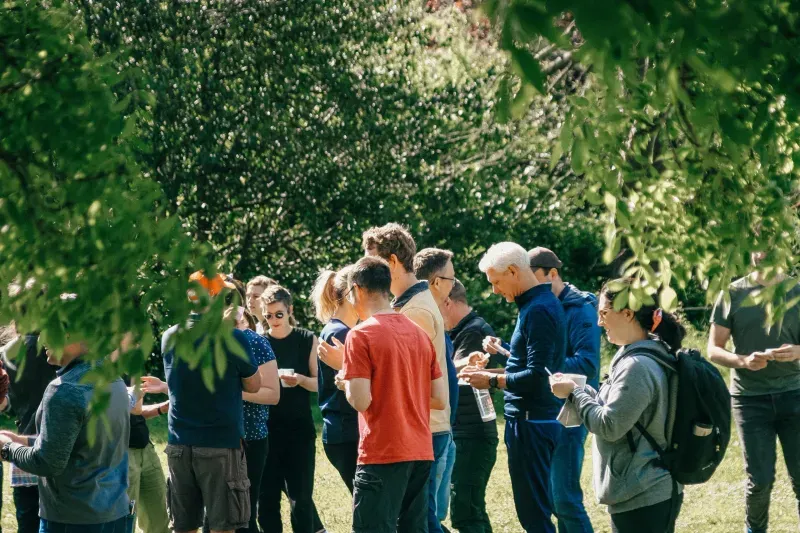
That is why activities matter so much. Not because a retreat needs entertainment, but because people often connect more honestly when they are doing something together. A hike reveals different group dynamics than a boardroom. A cooking experience changes who takes the lead. A wine tasting can open a more relaxed conversation than a formal dinner. A private boat day, guided nature walk, or cultural visit can create the kind of shared reference point that continues shaping team culture after the trip ends.
The best programs balance intention and ease. Nothing feels overprogrammed, but nothing is accidental either.
Why Local Design Changes Everything
This is where local knowledge becomes essential.
On paper, many destinations can look interchangeable. Beautiful hotel. Nice activity. Good restaurant. But a retreat is shaped by much more than inventory. It depends on rhythm, geography, timing, service standards, transport logic, regional character, and the subtle question of what belongs together.
That is particularly true in a country as vast as Argentina. Distances matter. Internal flight patterns matter. Seasonal nuances matter. The difference between a good retreat and a seamless one often comes down to knowing how to connect all the parts without exhausting the team or diluting the experience.
A locally designed retreat also allows the company’s preferences to lead. Some groups want adventure with polish. Others want deep comfort with cultural substance. Others need privacy, discretion, and a highly customized pace. When the trip is built around the company rather than selected from a template, the result feels more intelligent, more elegant, and far more memorable.
That is what high-impact retreats require now. Not just a destination. A point of view.

![Nibepo Aike - [Tailored Argentina]](https://tailoredargentina.com/wp-content/uploads/2026/06/Nibepo-Aike-Tailored-Argentina.png)