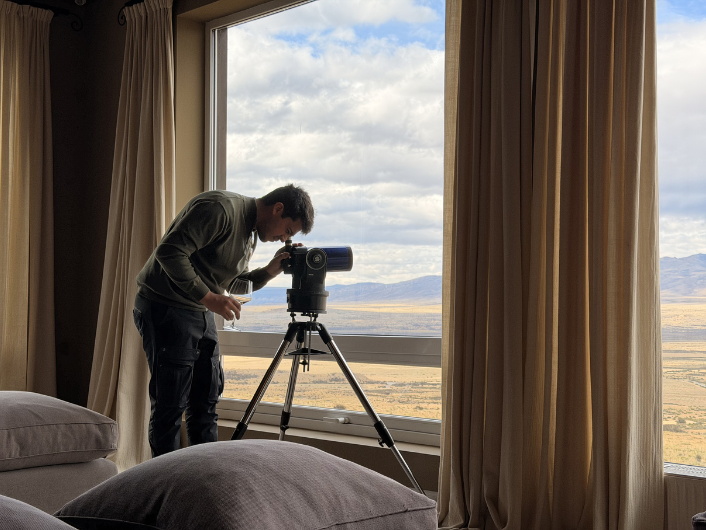
Planning Patagonia Argentina travel packages sounds simple at first: You pick a few beautiful hotels that rank high on Booking, add a glacier, maybe a hike or two, and you’re done.
At least, that’s what most travelers think before they start researching Patagonia. Then reality hits. Suddenly you’re trying to understand the difference between El Calafate and El Chaltén, and how to connect them easily, you’re comparing lodges you’ve never heard of, you’re wondering whether Ushuaia is worth adding, you discover that some hotels are already sold out months before your trip, and before long, you have fifteen browser tabs open and more questions than answers.
We see this happen all the time. The good news is that Patagonia is every bit as spectacular as you’ve heard. The challenge is understanding how to put the pieces together in a way that actually makes sense.
This guide will walk you through what Patagonia Argentina travel packages usually include, which destinations are worth considering, how much time you need, and what travelers should realistically expect before booking.
Why Patagonia Is Bigger Than Most Travelers Expect
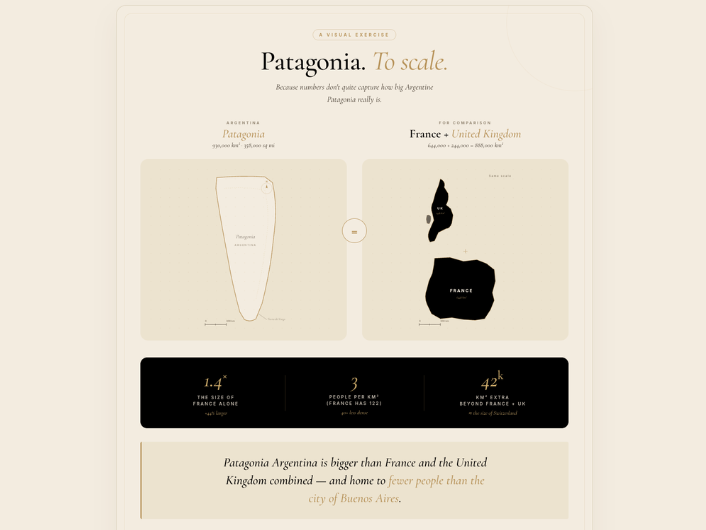
One of the biggest misconceptions we encounter is that Patagonia is a destination: It isn’t.
Patagonia is an enormous region covering the entire southern portion of Argentina and Chile. Just within Argentina alone, you’re dealing with thousands of miles of mountains, glaciers, lakes, forests, estancias, and remote wilderness.
That’s why there is no such thing as a single Patagonia experience. Some travelers spend their entire trip hiking around El Chaltén, others focus on glaciers and luxury lodges around El Calafate, some want to combine Patagonia with skiing in Bariloche or Ushuaia, and others are looking for wildlife, estancias, horseback riding, or simply disconnecting from the rest of the world for a few days.
This is also why researching Patagonia Argentina travel packages online can become confusing very quickly. You’ll often find itineraries that look completely different from one another, yet all claim to be “Patagonia.”
And technically, they’re all right. Patagonia is simply too large and too diverse to fit into a single formula. The best Patagonia Argentina travel packages aren’t built around a generic itinerary. They’re built around the traveler.
The first question shouldn’t be “What is the best Patagonia itinerary?” The first question should be: “What kind of Patagonia experience am I actually looking for?” Because the answer to that question changes everything else.
What Is Usually Included In Patagonia Argentina Travel Packages?
Not all Patagonia Argentina travel packages are created equal. Some are traditional group tours where hotels, transportation, and excursions are bundled together.
Others, like the ones we design, are privately designed journeys tailored around specific interests, travel styles, and expectations.
Understanding the difference is important.
When we design Patagonia Argentina travel packages for our travelers, we typically include:
- Carefully selected hotels and lodges
- Private airport transfers
- Private transportation whenever it makes sense
- Small-group experiences when they genuinely offer the best value
- Private experiences whenever possible
- Domestic flights within Argentina and check-in service so that you don’t have to worry about a thing!
- Ongoing support before and during the trip
- Private guides in destinations where local expertise adds significant value
One detail many travelers are surprised to learn is that Premium Economy is currently the highest available category on Argentine domestic flights, there is no domestic Business Class.
As a result, luxury travel in Patagonia is rarely about premium airline cabins. It’s about what happens once you land. The quality of the lodge, the guide, the restaurant, the location, the service, and the flexibility. Those are the elements that truly shape the experience.
Another important thing to understand is that the best Patagonia Argentina travel packages aren’t necessarily the ones with the longest list of activities. In fact, some of the most memorable trips include plenty of downtime.
Time to sit in front of a mountain view, time to enjoy a long dinner, time to walk through a vineyard, time to experience Patagonia without constantly rushing to the next thing.
The goal isn’t to fill every minute, but to make every minute count.
The Patagonia Destinations Most Travelers Include
There are dozens of incredible places throughout Patagonia, but a handful of destinations consistently appear in the majority of Patagonia Argentina travel packages.
El Calafate
If Patagonia has a gateway city, El Calafate is probably it. This is where most travelers begin their exploration of Argentine Patagonia and where you’ll find the region’s most famous attraction: the Perito Moreno Glacier.
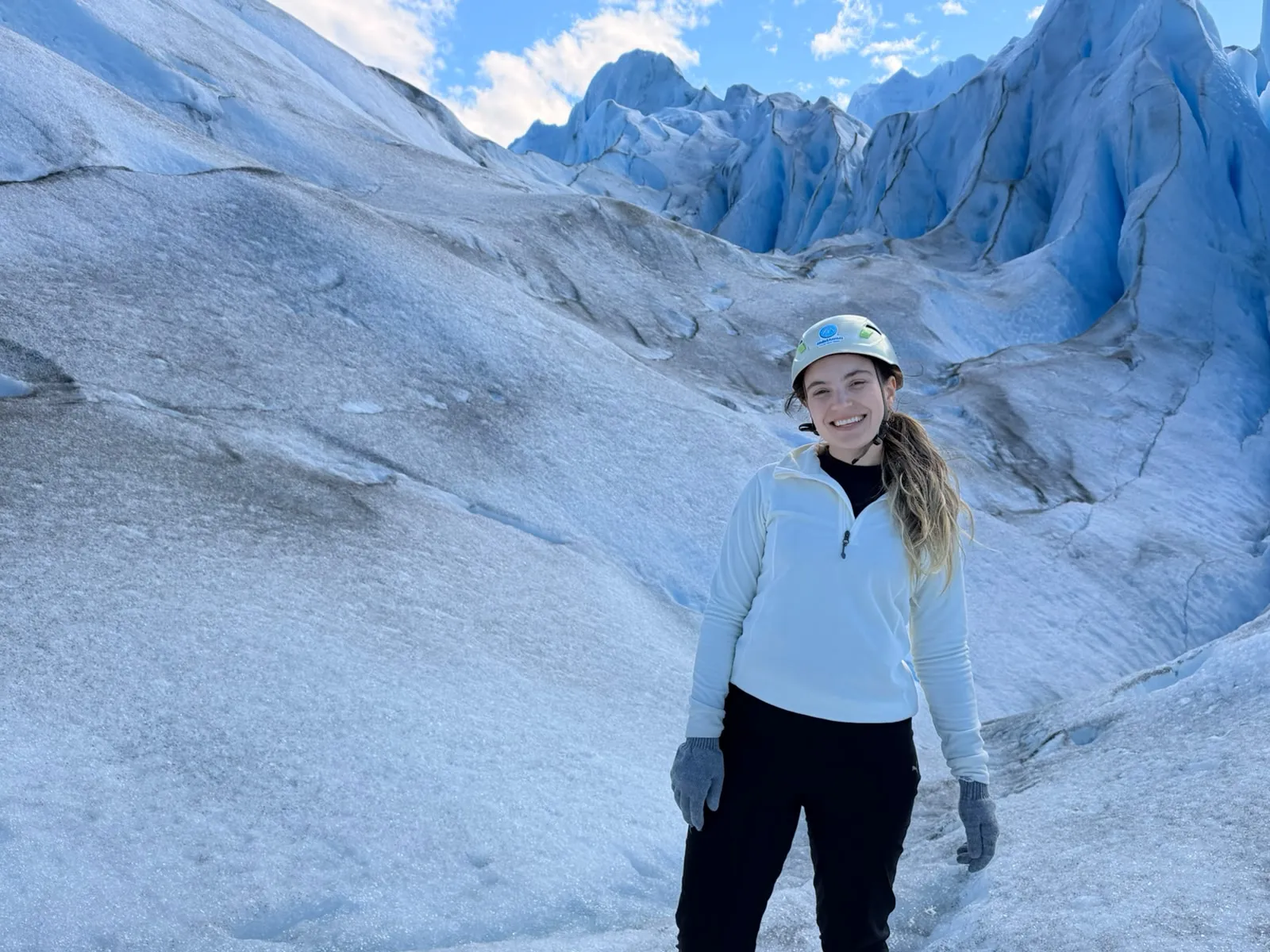
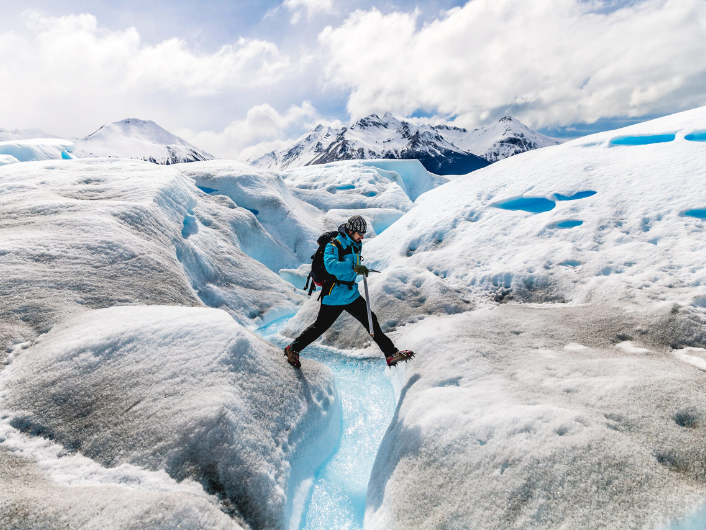
Even after years of visiting, it remains one of the most impressive natural sights in South America. Unlike many glaciers around the world, Perito Moreno is remarkably accessible. Travelers can admire it from extensive viewing platforms, approach it by boat, or even walk on the glacier itself through specialized excursions.
But El Calafate offers much more than Perito Moreno. The region is also home to spectacular navigations across Lake Argentino, where massive icebergs drift silently through turquoise waters.
Many travelers also choose to spend time at traditional Patagonian estancias, enjoying horseback riding, local cuisine, and a deeper understanding of life in this remote corner of the country.
One of our favorite examples is Estancia Nibepo Aike, located within Los Glaciares National Park itself.
And then there’s EOLO. Few hotels have become as iconic within luxury Patagonia travel as this one.
Its location, service, atmosphere, and connection to the surrounding landscape have made it one of the most sought-after properties in Argentina.
For many travelers, EOLO becomes much more than a hotel, it becomes one of the highlights of the entire trip.
El Chaltén
While El Calafate is known for glaciers, El Chaltén is known for mountains.
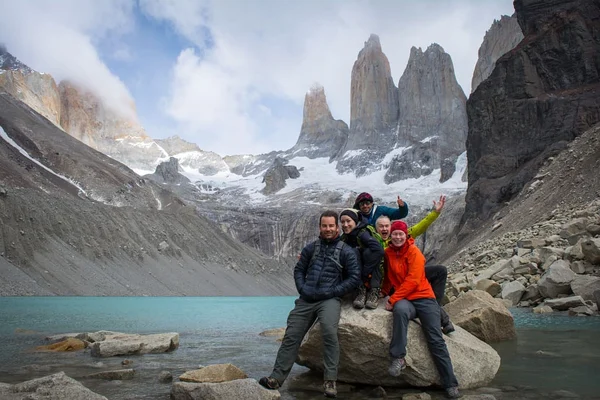
This small village sits at the base of Mount Fitz Roy and has become one of the world’s most celebrated hiking destinations. What makes El Chaltén special is that the scenery starts immediately.
You don’t need long transfers or complicated logistics. Trails begin directly from town and lead into some of Patagonia’s most dramatic landscapes. Even travelers who aren’t avid hikers often fall in love with El Chaltén.
The combination of mountain views, fresh air, slower pace, and intimate atmosphere creates something very different from other destinations in Argentina.
It also happens to be one of the most difficult places to secure accommodations during peak season. Which is exactly why planning ahead matters. A lot.
Ushuaia
At the southern tip of South America sits Ushuaia, often referred to as the southernmost city in the world. Many travelers initially add Ushuaia because of the novelty, and most leave talking about much more than that.
The Beagle Channel, wildlife encounters, mountain scenery, and unique sense of remoteness create an experience unlike anywhere else in Argentina.
During the winter months, Ushuaia also becomes one of the country’s most important ski destinations, with Cerro Castor offering some of the longest ski seasons in South America.
For travelers looking to combine nature, adventure, and comfort, Ushuaia often becomes one of the most memorable chapters of their Patagonia journey.
Bariloche
Bariloche offers a completely different side of Patagonia. Instead of glaciers, you’ll find alpine landscapes, crystal-clear lakes, forests, and some of the most beautiful drives in Argentina.
The region works exceptionally well for travelers who enjoy outdoor activities without necessarily wanting a physically demanding trip.
Private lake navigations, scenic drives, kayaking, horseback riding, hiking, and incredible dining all fit naturally into the experience.
It’s also one of the destinations where travelers often decide to stay longer than originally planned. A few nights rarely feels like enough.
How Many Days Do You Need For Patagonia?
If Patagonia is the main reason you’re coming to Argentina, we generally recommend a minimum of 10 days.
Can it be done in less? Of course. Will it feel rushed? Almost certainly.
One of the most common mistakes we see is travelers underestimating the size of Patagonia and trying to squeeze too many destinations into too few days.
Remember, this is not a single destination. Even moving between places like El Calafate, El Chaltén, Ushuaia, and Bariloche requires flights, transfers, and travel days that need to be taken into account.
For most travelers, we find these durations work best:
10 Days
Perfect for travelers focusing on two Patagonia destinations, such as El Calafate and El Chaltén, or El Calafate and Ushuaia.
12-14 Days
The sweet spot.
This allows enough time to combine multiple destinations without feeling rushed and gives travelers time to actually enjoy the places they’re visiting instead of constantly packing and unpacking.
More Than 14 Days
Ideal for travelers looking to combine Patagonia with Buenos Aires, Mendoza, Iguazú Falls, or Northern Argentina.
The reality is that Patagonia rewards slower travel. Most of our travelers don’t come home saying:
“I wish we had added more destinations.”
They usually say:
“I wish we had stayed one more night.”
Luxury Patagonia Travel Packages vs Traditional Tours
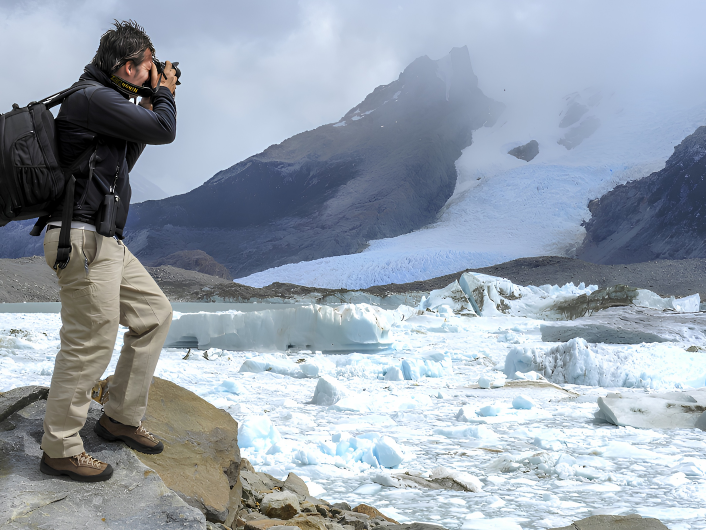
When most people think about luxury travel, they often imagine larger suites, bigger hotels, and more amenities.
Patagonia tends to challenge that definition. In our experience, the travelers who enjoy Patagonia the most are often those who stop thinking about luxury as a product and start thinking about it as an experience.
The luxury that Patagonia offers is very different: It’s staying somewhere with five, eight, or ten rooms instead of two hundred, It’s having staff who know your name by the second day, It’s returning from a day exploring glaciers and mountains and sitting down to a dinner that feels personal rather than standardized, it’s having the flexibility to adjust your day based on how you’re feeling instead of following a rigid group schedule, It’s spending more time in nature and less time standing in lines.
This is why the best Patagonia Argentina travel packages often look surprisingly different from traditional luxury trips elsewhere in the world: The focus isn’t on excess, the focus is on access, access to extraordinary landscapes, access to local knowledge, access to experiences that would be difficult to discover on your own. And perhaps most importantly, access to a slower and more meaningful way of traveling.
For many of our travelers, Patagonia ends up redefining what luxury travel means altogether.
The Best Luxury Hotels Included In Patagonia Argentina Travel Packages
One of the questions we hear most often is:
“What is the best hotel in Patagonia?”
The honest answer is that there isn’t one.
And that’s actually good news. Because the best hotel for one traveler may not be the best hotel for another. Some travelers prioritize views, others prioritize service, others want privacy, food, location, activities, or a more intimate atmosphere.
This is exactly why we don’t build hotel recommendations around generic rankings. Instead, we try to understand what matters most to the traveler first.
That said, there are several properties that consistently impress both us and our guests.
EOLO – El Calafate
Few hotels capture the spirit of Patagonia better than EOLO.
Surrounded by thousands of acres of open steppe, the property feels completely immersed in nature while still offering exceptional comfort and service.
For many travelers, EOLO becomes one of the highlights of the entire Argentina trip.
Aguas Arriba Lodge – El Chaltén
Accessible only by boat or hiking trail, Aguas Arriba offers one of the most unique lodging experiences in Patagonia.
Remote, intimate, and surrounded by extraordinary scenery, it appeals particularly to travelers seeking something genuinely different.
Los Cauquenes – Ushuaia
Located directly on the shores of the Beagle Channel, Los Cauquenes combines comfort, incredible views, and easy access to many of Ushuaia’s most important experiences.
Tierra de Leyendas – Ushuaia
One of our favorite examples of what Patagonia luxury often looks like. Smaller, warmer, and more personal.
The kind of place where hospitality feels genuine rather than scripted.
Río Hermoso – Northern Patagonia
A beautiful property that perfectly represents the quieter side of Patagonia.
A favorite among travelers looking for tranquility, nature, and exceptional service.
Pristine Camps
For travelers seeking something truly memorable, Pristine Camps offers a completely different approach to luxury lodging.
The experience focuses on immersion in nature without sacrificing comfort.
It’s Patagonia at its most authentic.
Private Experiences Worth Adding To Your Patagonia Trip
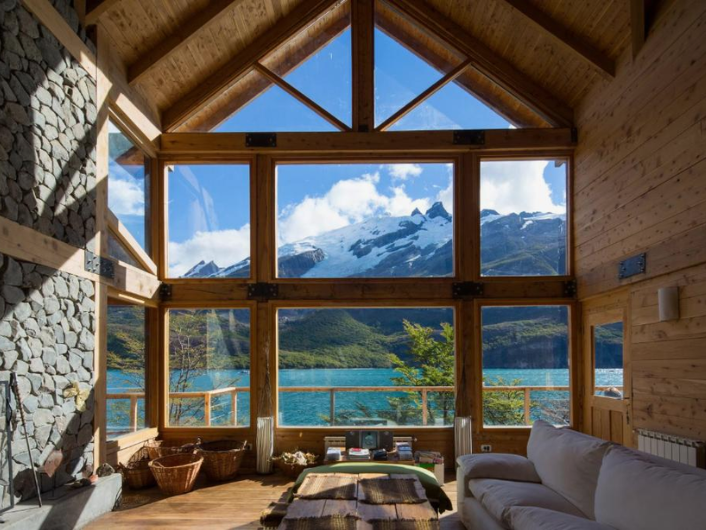
A great hotel can elevate a trip. The right experiences can completely transform it.
Some of the most memorable moments our travelers talk about months later aren’t necessarily the biggest attractions.
They’re often the experiences that felt the most personal.
Private Trekking Guides
Particularly valuable in destinations like El Chaltén.
Having a guide allows travelers to move at their own pace, adapt routes based on weather conditions, and gain a much deeper understanding of the region.
Private Estancia Experiences
Patagonia’s estancias offer far more than horseback riding. They provide a window into local history, culture, sheep farming traditions, and rural life.
Experiencing them privately often creates a much more meaningful connection.
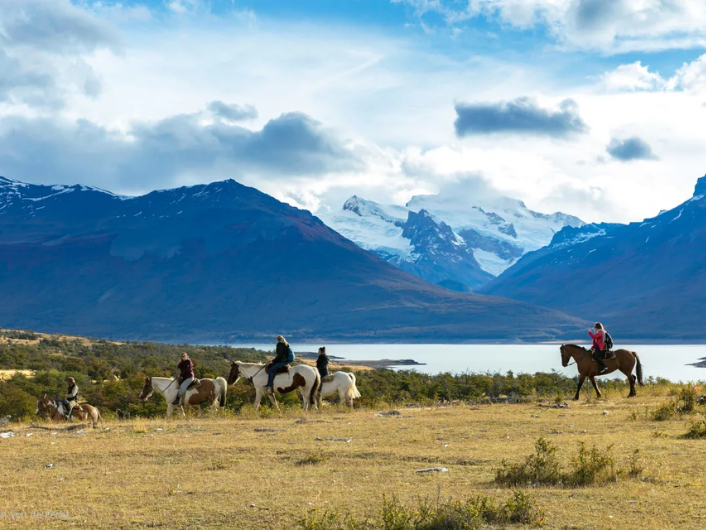
Horseback Riding Across Patagonia
One of the most authentic ways to experience the landscape.
Whether overlooking glaciers, lakes, or open steppe, horseback riding remains one of Patagonia’s signature experiences.
Scenic Helicopter Flights
Available in select regions, helicopter flights provide a perspective of Patagonia that very few travelers ever get to see.
They’re not essential, but they’re unforgettable.
Fly Fishing
Patagonia has earned a global reputation among serious anglers.
Private fly-fishing experiences can be incorporated into many Patagonia Argentina travel packages, particularly in Northern Patagonia.
Ski Days With Private Instructors
For winter travelers visiting destinations such as Cerro Catedral in Bariloche or Cerro Castor in Ushuaia, private instructors can dramatically improve the experience.
Less time figuring things out, and ,ore time enjoying the mountain. That’s usually a worthwhile trade.
When Is The Best Time To Visit Patagonia?
If Patagonia is the main reason you’re coming to Argentina, this is one of the first conversations we should have. Unlike destinations that can be visited comfortably year-round, Patagonia changes dramatically depending on the season.
For most travelers, we begin by discussing what they actually want to do:
- Are you coming for hiking?
- Wildlife?
- Photography?
- Scenic landscapes?
- Skiing?
- Or simply to experience Patagonia for the first time?
October Through April
For first-time visitors, this is usually where we start the conversation. Days are longer, temperatures are generally milder, most hotels, lodges, and seasonal experiences are fully operational, hiking conditions tend to be at their best.
This is also when many of Patagonia’s most iconic landscapes look exactly as travelers imagine them. Not surprisingly, it’s peak season.
June Through September
Winter transforms Patagonia completely. Some travelers assume this means it’s not worth visiting, quite the opposite.
This is the perfect period for travelers interested in skiing, winter landscapes, and a quieter experience overall.
Bariloche and Ushuaia become particularly attractive during these months, with Cerro Catedral and Cerro Castor offering some of the best skiing in South America.
Shoulder Seasons
One of our favorite periods is often the shoulder season: October, November, March, and April.
You still enjoy many of Patagonia’s highlights, but with fewer visitors and a more relaxed atmosphere.
There is no single “best” month. The best month depends entirely on the experience you’re hoping to have.
How Far In Advance Should You Book Patagonia Argentina Travel Packages?
If there’s one section of this guide we hope travelers take seriously, it’s this one. Because waiting too long to start planning is probably the single biggest mistake we see.
For peak season Patagonia Argentina travel packages, we generally recommend beginning the planning process at least four months in advance, six months is even better.
And some of our travelers begin planning eight to twelve months before departure. That might sound excessive, until you start looking at availability.
Many travelers assume that because Patagonia is a remote region, there will always be room somewhere, and technically, they’re right. There is usually availability somewhere, the problem is that it may not be where you actually want to stay.
El Chaltén is the perfect example. The number of truly high-end properties that consistently deliver the level of experience luxury travelers expect can practically be counted on one hand.
El Calafate offers more options, but the same principle applies. These are no longer hidden destinations.
They are among the most sought-after regions in South America. Travelers arrive from the United States, Europe, Australia, and beyond. The best rooms disappear quickly, the best views disappear even faster, and once they’re gone, they’re gone.
We often tell travelers that booking late doesn’t necessarily prevent you from visiting Patagonia. It simply reduces your choices. And when you’re investing in a trip you’ve been dreaming about for years, having choices matters. A lot.
Common Mistakes Travelers Make When Booking Patagonia Argentina Travel Packages
After years of designing Patagonia Argentina travel packages, we’ve noticed a few patterns. Fortunately, they’re all avoidable.
Thinking Patagonia Is A Single Destination
This is by far the most common misunderstanding. Patagonia isn’t one destination. It’s a region. A huge one!
Travelers often discover El Calafate, El Chaltén, Ushuaia, Bariloche, and the Lake District and assume they’re all relatively close together. They aren’t.
Each destination deserves proper consideration when building an itinerary.
Trying To See Everything In One Trip
The second mistake usually follows the first. A traveler falls in love with every photo they see and wants to include everything. We completely understand. The challenge is that Patagonia rewards slower travel.
The most memorable trips are rarely the ones with the longest checklist. They’re usually the ones with enough time to actually enjoy each destination.
Underestimating Logistics
Patagonia looks deceptively simple on a map. The reality is very different:
- Flights.
- Transfers.
- Weather.
- Driving times.
- Connections.
All of these elements need to be considered carefully. A well-designed itinerary feels effortless, a poorly designed itinerary can feel exhausting.
Booking Too Late
This one deserves repeating. Many travelers assume there will always be room in a great hotel.
This is often not the case, particularly in El Chaltén. The number of truly exceptional luxury properties is incredibly limited. The same is true, to a slightly lesser extent, in El Calafate.
By the time many travelers start planning, some of the best properties have already been fully booked for months. Waiting doesn’t usually make Patagonia cheaper, it usually makes planning Patagonia harder.
Underestimating The Value Of Private Experiences
Group excursions can work perfectly well in some situations, but there are many parts of Patagonia where private experiences completely change the quality of the day.
The biggest advantage isn’t exclusivity, it’s flexibility: You move at your own pace, you spend more time where you want, less time where you don’t. And that often leads to a much richer overall experience.
Are Patagonia Argentina Travel Packages Worth It?
Without question. And honestly, it’s difficult to overstate just how often Patagonia exceeds expectations.
People arrive expecting beautiful scenery, and they leave talking about much more than that.
They talk about silence, about space, about feeling small in the best possible way, about waking up surrounded by mountains, about seeing landscapes that don’t seem real, about reconnecting with nature after spending most of the year rushing through everyday life.
Patagonia has a way of slowing people down. That’s part of its magic.
For many of our travelers, Patagonia becomes the highlight not only of their Argentina trip, but of their entire year of travel. And that’s saying something. Because many of them are already accustomed to traveling well: They’ve stayed at extraordinary hotels, they’ve visited remarkable destinations. Yet Patagonia still manages to surprise them.
If you’re considering Patagonia Argentina travel packages, our advice is simple: Don’t rush it, give yourself enough time, plan ahead, and allow Patagonia to be what it does best: An experience rather than a checklist.
Frequently Asked Questions
What is included in Patagonia Argentina travel packages?
Most Patagonia Argentina travel packages include accommodations, airport transfers, domestic flights, excursions, local support, and a mix of private and small-group experiences. The exact inclusions vary depending on the travel style and itinerary.
How many days do I need in Patagonia?
We generally recommend a minimum of 10 days if Patagonia is the primary focus of your trip. Twelve to fourteen days is often ideal for travelers wanting a more relaxed pace.
What is the best month to visit Patagonia Argentina?
For most travelers, October through April offers the best overall conditions. Winter travelers interested in skiing should consider June through September.
Are Patagonia Argentina travel packages private or group tours?
Both options exist. However, many luxury Patagonia Argentina travel packages combine private services with carefully selected small-group experiences where they genuinely add value.
How far in advance should I book Patagonia Argentina travel packages?
For travel between October and April, we recommend starting the planning process at least four months in advance. For the most sought-after hotels and lodges, six to twelve months is often ideal.