The Premise
It should begin with a conversation.
A 14 day Argentina luxury itinerary should never begin with a fixed route. It should begin with a conversation. Argentina is enormous, beautifully complex, and very easy to underestimate on a map. Distances are long, flight routes are not always direct, seasons change the personality of each destination, and what feels perfect for one couple may feel completely wrong for another.
That is why, before recommending an itinerary, we always like to understand the travelers first. What do they love? Wine? Wildlife? Long lunches? Big landscapes? Hiking? Architecture? Privacy? A slower pace? A little adventure, but not too much? Do they want iconic places, or the quieter version behind the obvious one? Are they coming for Patagonia, but also dreaming of Malbec in Mendoza and a few elegant nights in Buenos Aires?
Only after that does the real design begin.
Because Argentina is not a country where you simply connect dots on a map. It is a country where the order of the dots matters. The season matters. The days of the week matter. Even the flight schedule can change the entire rhythm of the trip.
For example, visiting from October to March is very different from visiting in June, July, or August. Patagonia's main travel season is generally spring and summer in the Southern Hemisphere, when the days are longer and outdoor experiences are at their best. Winter can be beautiful too, but it changes the logic completely. Some areas become quieter, colder, more limited, or better suited to snow-based travel than classic hiking and navigation experiences. Patagonia is especially strong for hiking and outdoor travel during the warmer months, while summer is often considered the peak season for many activities.
So instead of pretending there is one "ultimate Argentina itinerary," let's build a real example.
Imagine a couple, or a small group of friends. They love wine, food, culture, and dramatic landscapes. They want adventure, but not a military expedition. They like beautiful hotels, excellent guides, smart restaurant recommendations, and enough free time to feel they are actually traveling, not just being moved around. Their priority is Patagonia, but they also want Mendoza. They are coming in November, and they only have two weeks.
They also want to avoid taking too many flights.
That is where the itinerary becomes a little chessboard with mountain views.
Why This Route Works
Two Weeks in Argentina VIP: Why the Route Matters So Much
For travelers planning two weeks in Argentina VIP, the first thing to understand is that Argentina's domestic air network often moves through Buenos Aires. Some destinations connect directly with each other, but not always daily. Some routes may operate only a few times per week depending on the season, airline, and demand.
This is one of the most important pieces of local knowledge when designing a high-end itinerary here. A beautiful route on paper can become exhausting in real life if the air connections are poorly planned. The difference between a smooth two-week journey and a tiring one often comes down to knowing which destinations can connect without forcing unnecessary backtracking.
In this example, the ideal flow would be:
Mendoza: 3 nights | El Calafate: 3 nights | El Chaltén: 2 nights | Ushuaia: 3 nights | Buenos Aires: 3 nights
It gives the trip a strong beginning, a deep Patagonian center, and a graceful final chapter in the capital before flying home.
Could it be reversed? Absolutely. For some travelers, ending in Mendoza after a long Patagonian adventure may be even better. There is something delicious about finishing the trip among vineyards, with slower mornings, spa time, long lunches, and a glass of Malbec under the Andes. But for this example, beginning in Mendoza works beautifully because it gives the journey a soft landing before the landscapes grow wilder.
Wine Before Wilderness
Days 1–3: Mendoza, Wine, Andes, & a Softer Beginning
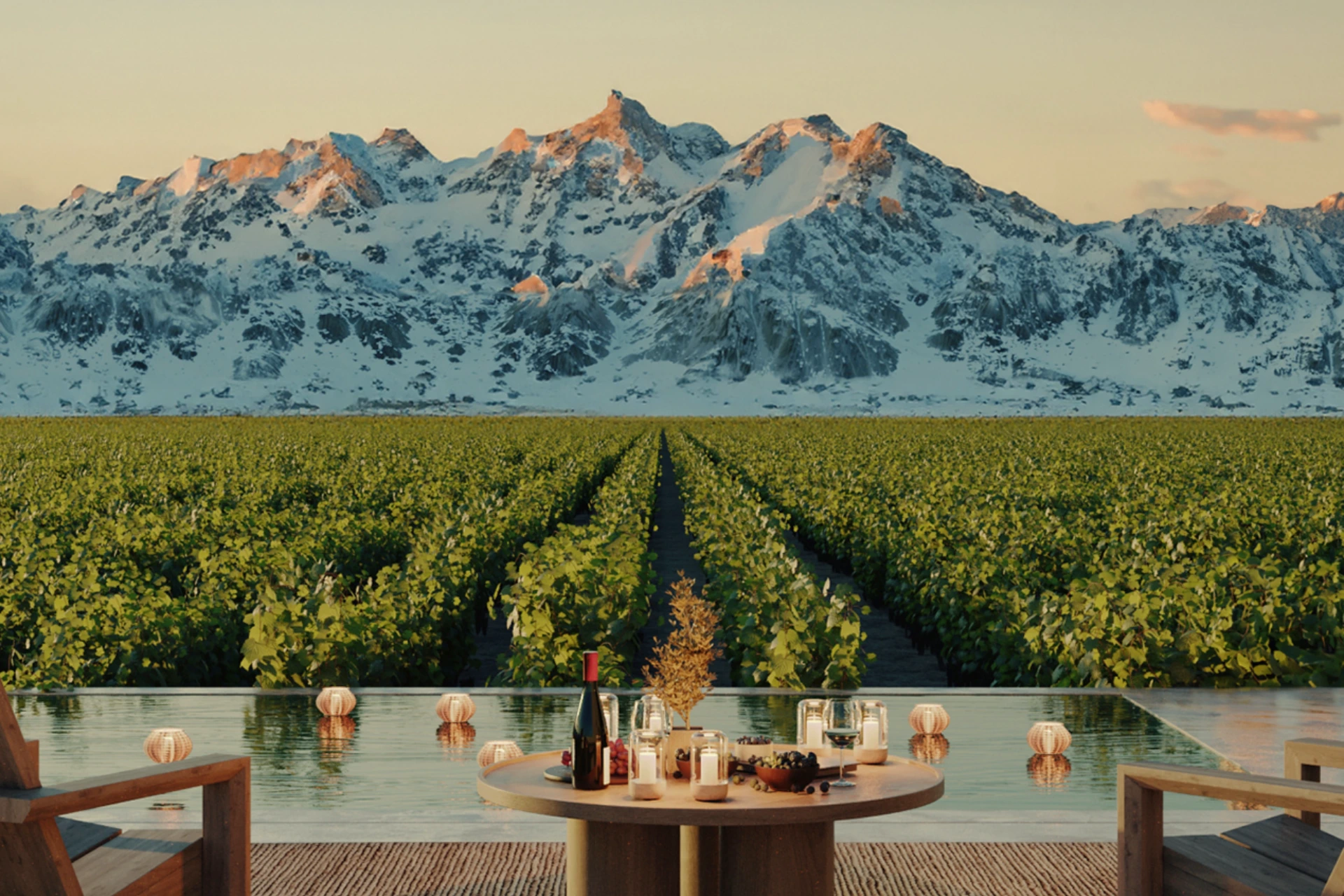
Mendoza is one of the best places to begin a two-week Argentina trip because it gives travelers a sense of arrival without overwhelming them. After international flights, airport connections, and the usual first-day fog of crossing continents, Mendoza offers space. Vines, mountains, warm light, long lunches, and a rhythm that says: you are here now.
A Softer Arrival Into Argentina
For wine lovers, three nights allows enough time to enjoy different valleys and styles without turning the stay into a tasting marathon. The experience can include private visits to carefully selected wineries in Luján de Cuyo or the Uco Valley, with lunches where the food matters as much as the wine. This is not about rushing through famous labels. It is about understanding the landscape behind the glass: altitude, soil, sun, irrigation, and the enormous presence of the Andes.
Depending on the travelers, we might include a more relaxed day at an estancia or countryside property. This can be a beautiful counterpoint to the wineries: horses, open air, traditional flavors, and a more grounded sense of place. Not every Mendoza day needs to be built around wine. Sometimes the best memory is not the rare bottle, but the quiet moment before lunch when the mountains seem close enough to touch.
Not Every Mendoza Day Needs Wine
For travelers who want to go deeper, Mendoza can also be more active. Scenic drives into the Andes, horseback riding, cooking experiences, spa afternoons, or private dinners can all shape the stay. Again, the right version depends on the traveler. Some want polished and elegant. Some want rustic and soulful. The best Mendoza itinerary knows how to blend both.
Where Patagonia Begins To Feel Real
Days 4–6: El Calafate & the Great Ice Kingdom
From Mendoza, the journey moves south to El Calafate. In many cases, this means flying with a connection, often through Buenos Aires, though schedules can vary and should always be checked carefully before confirming the final route. This is exactly why planning Argentina well requires more than picking destinations. It requires understanding the air map.
The Silence of the Glacier
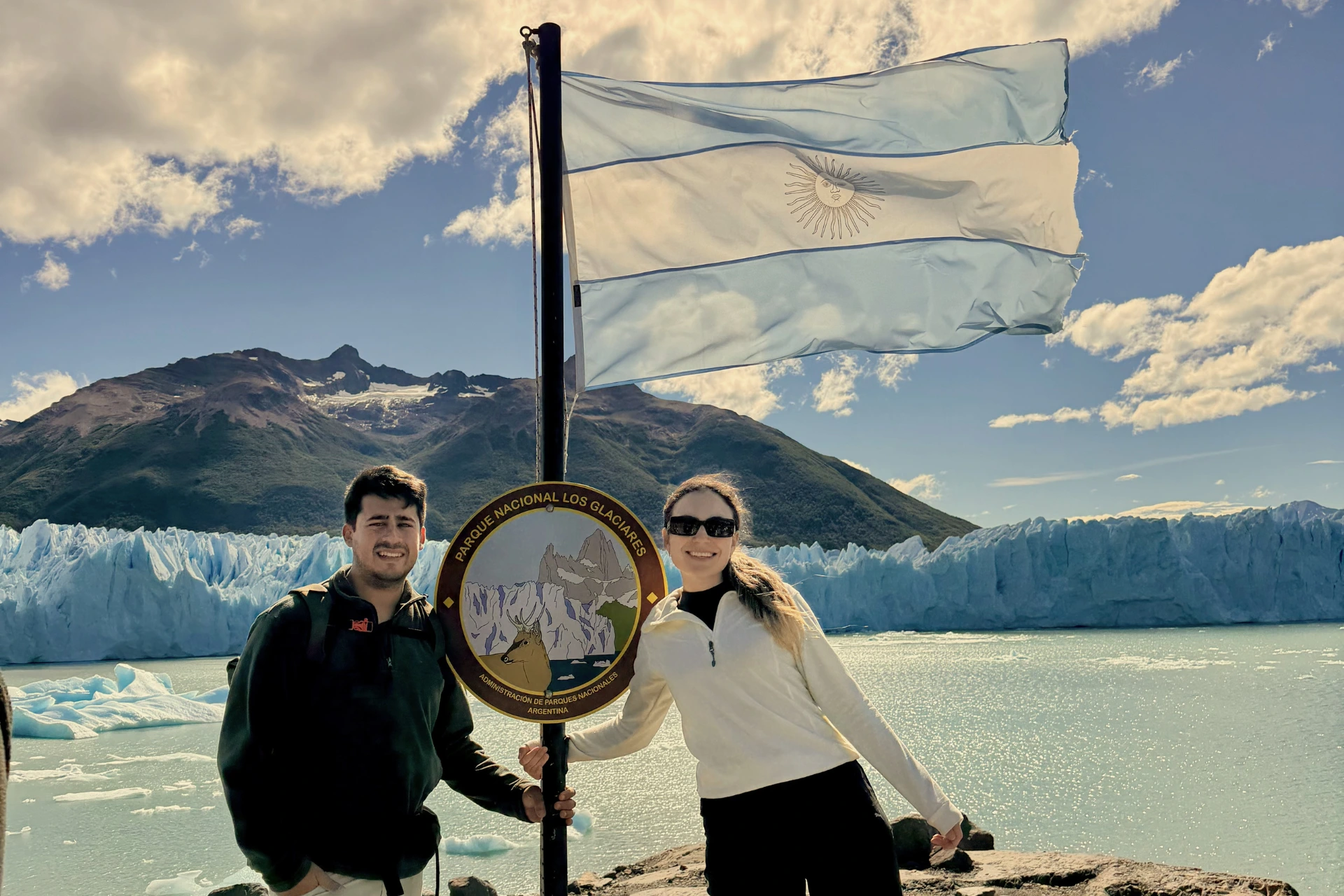
El Calafate is the gateway to Los Glaciares National Park and one of Patagonia's most iconic experiences: the Perito Moreno Glacier. But even here, the experience can be designed in very different ways.
For adventurous travelers, one day can be dedicated to walking on the glacier with crampons. This is one of those rare activities that feels both surreal and surprisingly intimate. You are not just looking at the glacier from a viewpoint. You are standing on ancient blue ice, hearing little cracks and streams around you, with the immense Patagonian landscape stretching in every direction.
Ice, Horses, Wind and Space
The second full day in El Calafate can be more expansive. A private or semi-private navigation through the glacial waters allows travelers to see the scale of the region from another angle. In this example, we would design the day around a navigation experience with views toward the Upsala Glacier area, followed by time at one of Patagonia's most exclusive estancias. A horseback ride in that setting, with glaciers in the distance and the steppe unfolding around you, gives the day a completely different texture.
This is the kind of contrast Patagonia does so well: ice and horses, silence and wind, refined service and raw nature.
El Calafate is also where pacing matters. Many travelers arrive in Patagonia wanting to "do everything," but the landscape itself demands space. Weather can change. Transfers take time. The best days are full, but not frantic.
The Patagonia Rhythm
Days 7 & 8: El Chaltén, the Trekking Capital of Argentina
From El Calafate, there is no need to take another flight to reach El Chaltén. The transfer by road is part of the experience, crossing open Patagonian steppe toward one of Argentina's most beloved mountain villages.
Choosing the Right Trail
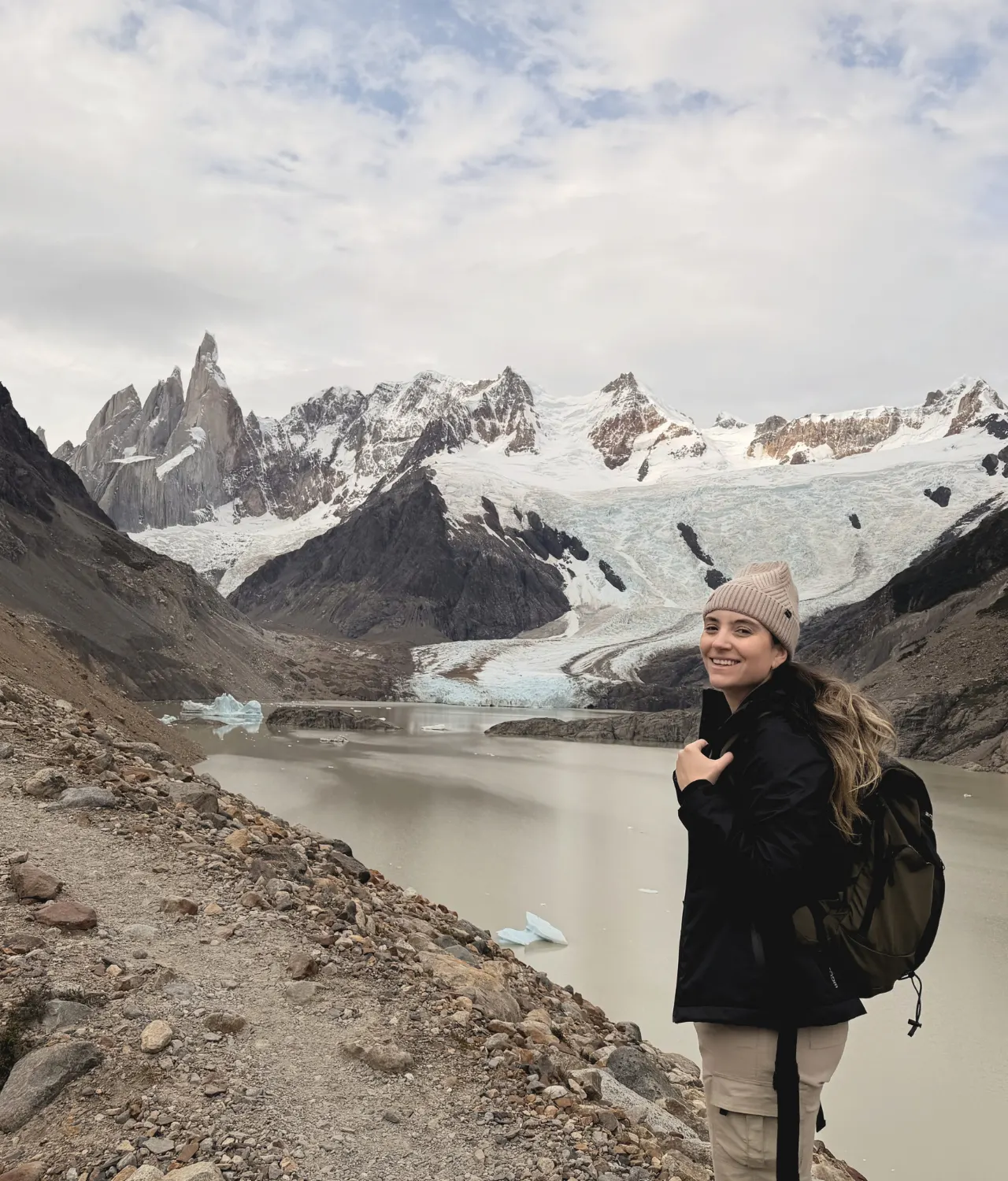
El Chaltén is often called the trekking capital of Argentina, and for good reason. This is where travelers come for trails, peaks, early starts, packed lunches, and that particular happiness that only arrives after a long day outside.
With only two nights, the key is to use time wisely. On arrival day, we would recommend leaving early from El Calafate so travelers can still enjoy a meaningful hike that same afternoon. The next day becomes the main trekking day, shaped around fitness, weather, and ambition.
Private Guiding Changes the Day
For some, that may mean a challenging full-day hike with views toward Fitz Roy or Cerro Torre. For others, it may be a softer route with private guiding, scenic stops, photography, and enough time to enjoy the village afterward. El Chaltén should never be forced into a one-size-fits-all mold. It can be intense, wild, and demanding, or it can be gentle and deeply scenic.
Here again, the traveler's profile changes everything. A group of experienced hikers will want a very different plan from a couple who loves nature but prefers moderation. The magic is in choosing the right trail, the right guide, the right start time, and the right expectations.
In November, El Chaltén is alive with the energy of the season. The days are getting longer, the hiking mood is strong, and the destination has that early-season freshness that makes Patagonia feel newly awake.
At The End of The World
Days 9–11: Ushuaia, the Southern Edge
After El Chaltén, travelers return to El Calafate to connect onward to Ushuaia. One of the great advantages of this route is that El Calafate and Ushuaia can be connected by direct flight, which avoids returning to Buenos Aires in the middle of the Patagonian sector. Aerolíneas Argentinas lists nonstop flights to Ushuaia from El Calafate, among other cities, though schedules should always be checked for the specific travel date.
Forest, Sea and End-of-the-World Atmosphere
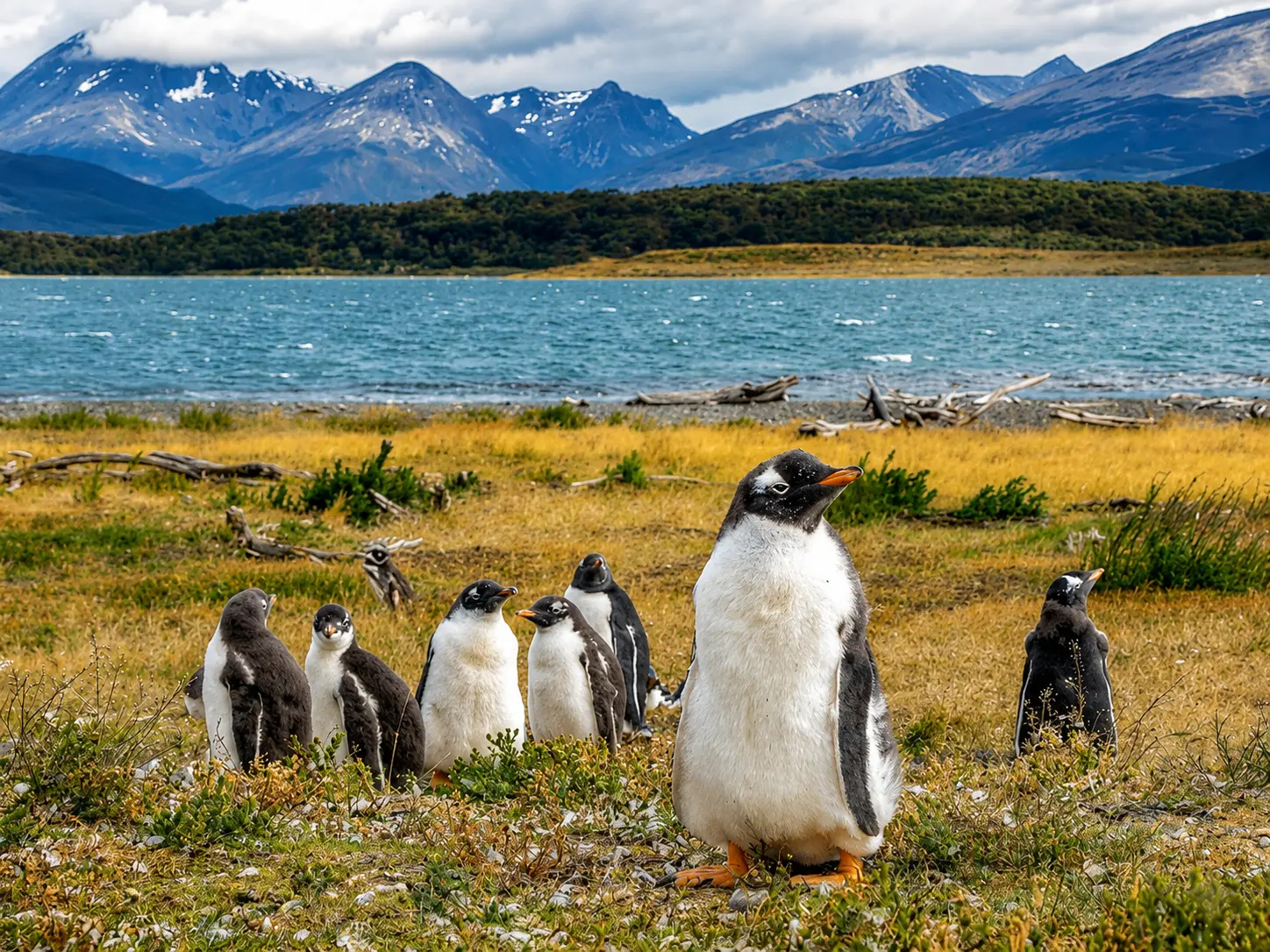
Ushuaia changes the tone of the trip. El Calafate is ice and steppe. El Chaltén is mountains and trails. Ushuaia is forest, sea, islands, and end-of-the-world atmosphere.
Three nights gives enough time to explore without rushing. One day can be dedicated to Tierra del Fuego National Park, with private guiding, scenic walks, lakes, bays, and perhaps a curated lunch experience connected to the famous End of the World Train area. The train itself can be included depending on the traveler's interest, especially for those who enjoy history and symbolic experiences.
Puerto Almanza, Tierra del Fuego and Wild Options
Another day might go in a completely different direction. Travelers could visit Puerto Almanza, one of the southernmost fishing villages in the world, where the experience becomes more culinary and coastal: crab, sea air, humble houses, and the feeling of being very far from the usual tourist circuit.
For more active travelers, a trek to Vinciguerra Glacier can be considered. It is more demanding, but it gives Ushuaia a wilder face. Forest, peat bogs, mountain views, and glacial scenery make it a strong option for those who want one more physical challenge before returning north.
And of course, there are marine experiences, private navigation options, off-road adventures, and quiet scenic routes. Ushuaia is full of possibilities. The point is not to do them all. The point is to choose the version that fits.
Why Argentina Works So Well
Best Luxury Tour South America: Why Argentina Works So Well in 14 Days
A trip like this can easily stand among the best luxury tour South America options because Argentina offers such a rare range within one country. In two weeks, travelers can move from vineyards to glaciers, from trekking trails to southern forests, from remote estancias to one of the most elegant capitals in Latin America.
But what makes the trip special is not just the list of destinations. It is the balance.
Mendoza brings pleasure and softness. El Calafate brings scale. El Chaltén brings effort and reward. Ushuaia brings atmosphere and remoteness. Buenos Aires brings culture, architecture, and urban energy.
When designed correctly, each destination acts as a palate cleanser for the next. The trip never feels repetitive. The days never blur together.
An Elegant Ending
Days 12–14: Buenos Aires, the Elegant Finale
After Patagonia, Buenos Aires feels almost theatrical. The energy changes completely. Suddenly there are bookstores, cafés, galleries, wide avenues, private dinners, old-world hotels, late nights, and neighborhoods that each carry their own mood.
The City After the Wild
Three nights at the end of the trip gives travelers time to land softly before returning home. It also works well logically, since most international flights depart from Buenos Aires. Instead of rushing through the capital at the beginning, travelers can end with a more relaxed city stay after the adventure portion of the journey.
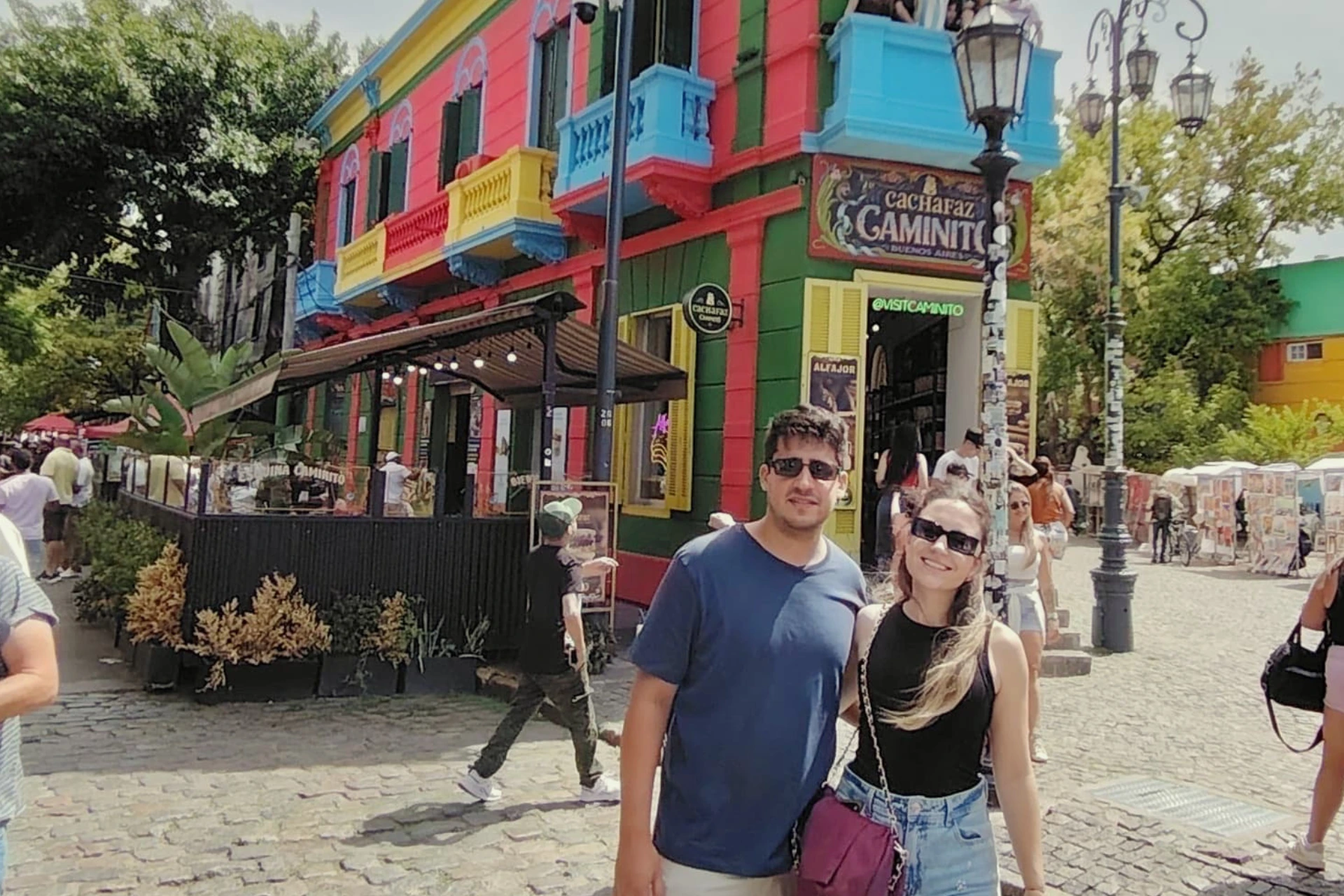
A good Buenos Aires finale might include a private city experience through Recoleta, San Telmo, Palermo, or La Boca, depending on the traveler's taste. It could include an after-hours cultural visit, a private tango evening, a curated shopping route, a contemporary art experience, or a restaurant sequence designed around the city's current culinary scene.
Leave Space to Wander
But Buenos Aires should also include unstructured time. This is a city that rewards wandering. A slow morning in Recoleta. A long lunch in Palermo. A bookshop visit. A glass of wine before dinner. A neighborhood walk with no particular mission.
After Patagonia, that freedom feels especially good.
Designed Around Rhythm, Not Geography
Comprehensive Bespoke Travel: The Same Trip, Completely Different Versions
This is where comprehensive bespoke travel becomes essential. The route above is only one example. The same 14 days could be designed many different ways depending on the travelers.
For Softer Endings
For a couple who wants to end slowly, we might reverse the trip and finish in Mendoza. After glaciers, trekking, and Ushuaia, they arrive in wine country ready to rest. Spa, vineyards, long lunches, mountain views, and a slower final rhythm.
For A More Adventurous Group
For a more adventurous group, we might add harder hikes, more active glacier experiences, longer days in El Chaltén, and a more expedition-style Ushuaia.
For Food, Privacy or Fewer Flights
For food-focused travelers, the restaurants, winery lunches, private chefs, and local culinary moments would become the invisible thread of the trip.
For travelers who need more privacy, we would look closely at boutique lodges, private transfers, closed-door experiences, and guides who stay consistent across several days where possible.
For travelers who want fewer flights, we would be especially careful with the order of destinations and the exact departure dates, using direct connections where available and avoiding unnecessary returns to Buenos Aires.
That is the difference between a generic itinerary and a designed one.
Fourteen Days, Arranged With Intention
Final Thoughts: Fourteen Days, Designed Properly
Argentina rewards travelers who give it time, but it also demands respect. Fourteen days may sound like a lot, until you understand the scale of the country. Then it becomes precious.
Not Overstuffed. Not Copied. Not Rushed.
With only two weeks, every choice matters. Where you begin. Where you end. How many flights you take. Which season you travel in. Whether Patagonia is the main character or one chapter among many. Whether you want adventure every day, or a rhythm that leaves space for wine, silence, and unexpected moments.
For this particular kind of traveler, someone who loves wine, culture, nature, and adventure, and who wants Patagonia at the heart of the journey, Mendoza, El Calafate, El Chaltén, Ushuaia, and Buenos Aires can create a beautiful first-class introduction to Argentina.
It is not the only possible masterpiece.
But designed well, it is a very strong one.
The vines of Mendoza. The blue ice of Perito Moreno. The trails of El Chaltén. The southern forests of Ushuaia. The final elegance of Buenos Aires.
Fourteen days.
Not rushed. Not overstuffed. Not copied from a brochure.
Just Argentina, arranged with intention.